What Is Solar Grazing? Why Sheep Are Showing Up at Solar Farms
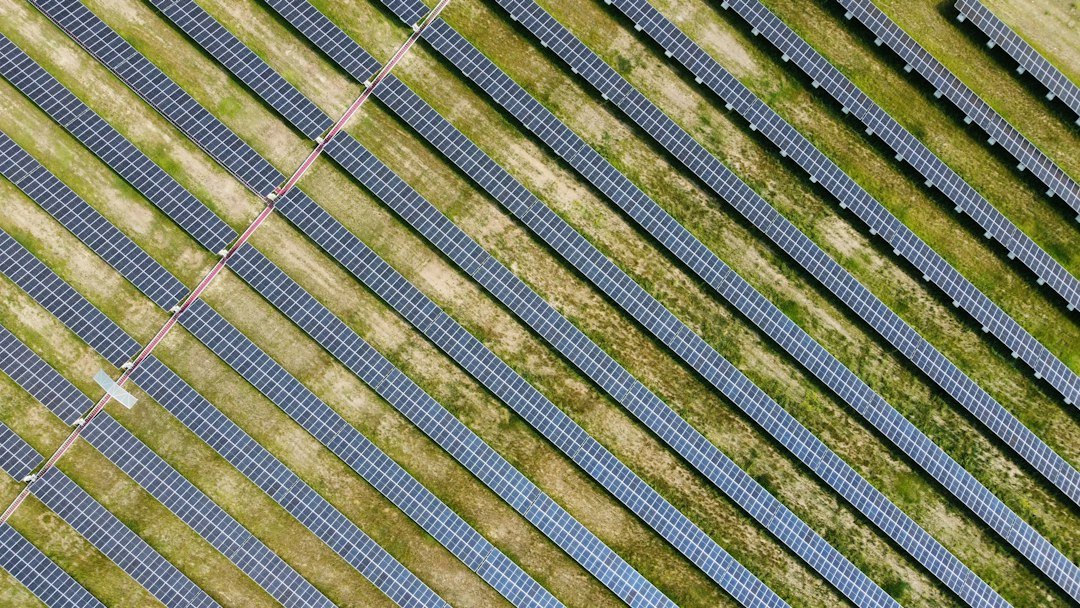
Rows of solar panels and flocks of sheep may seem like an odd pairing, but they solve a surprisingly practical problem for each other. Solar farms need vegetation kept low enough that it does not shade panels or interfere with equipment. Farmers need productive land, forage, shade and new revenue streams. Solar grazing brings those needs together by allowing livestock—most often sheep—to graze beneath and around photovoltaic arrays.
The idea sits inside the broader field of agrivoltaics, which combines solar power generation with agricultural use on the same land. It is drawing more attention as communities look for ways to expand renewable energy without treating farmland as if it can serve only one purpose.
What is solar grazing?
Solar grazing is the use of livestock to manage vegetation at solar energy sites. Sheep are the most common animals because they are small enough to move safely around most panel structures and are less likely than cattle or goats to damage equipment. Instead of paying a landscaping crew to mow repeatedly, a solar operator can contract with a farmer or grazing business to keep vegetation under control.
The American Solar Grazing Association describes the practice as a form of targeted grazing and notes that sheep can also benefit from the shade created by panels. Recent research on agrivoltaic sites is examining not just economics but soil health, forage quality and the microclimates created underneath solar arrays.
Why sheep work so well under solar panels
Utility-scale solar installations contain narrow spaces, wiring, posts and rows of low structures that can be inconvenient for large mowing equipment. Sheep can move through those spaces naturally. They eat grasses and many broadleaf plants while generally leaving electrical infrastructure alone.
Shade is another advantage. Solar panels can lower radiant heat exposure for grazing animals during hot weather, while vegetation protects soil from erosion and keeps the site from becoming bare ground. A 2026 review of solar-site soil and grazing research noted that sheep grazing is among the most common agricultural uses paired with large solar arrays.
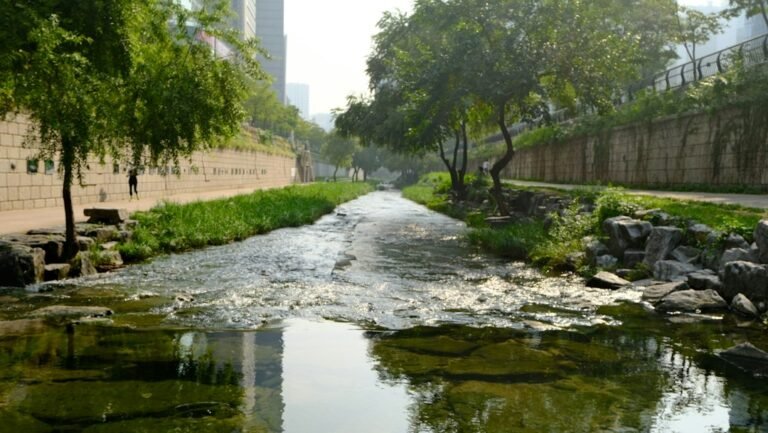
This kind of dual-use approach is related to other attempts to make infrastructure do more than one job. Cosmic Teapot has also looked at stream daylighting in cities and sponge-city design for heavy rain, both of which rethink spaces that were once designed around a single function.
Does solar grazing make solar farms more sustainable?
Potentially, but it is not automatic. Grazing can reduce mowing, fuel use and some herbicide applications, and it can keep agricultural activity on land that might otherwise leave production. Farmers may earn income from vegetation-management contracts while maintaining or expanding a flock.
However, outcomes depend on stocking rates, soil conditions, weather and how the solar site was built. Construction can compact soil, remove topsoil or alter drainage. Poorly managed grazing can also damage vegetation. Research published in Frontiers in Sustainable Food Systems emphasizes that the environmental effects of solar development and sheep grazing need to be evaluated together rather than assuming every agrivoltaic site is beneficial.
Why not use cows or goats?
Cattle are usually too large for conventional solar installations and can rub against or damage panels and supports. Goats are agile but are also enthusiastic browsers that may chew cables, climb structures or strip woody vegetation that managers want to keep. Sheep are a useful middle ground: manageable size, predictable grazing behaviour and established livestock systems in many farming regions.
Why solar grazing is becoming a bigger topic
The growth of utility-scale solar means more land must be maintained for decades. At the same time, rural communities often worry that energy projects will permanently remove acreage from agriculture. Solar grazing offers one answer: the site can produce electricity and support livestock at the same time.
That does not mean every solar project should become a sheep pasture. Successful projects need fencing, water, animal handling plans and coordination between energy companies and farmers. But the model is attractive because it turns routine maintenance into a productive agricultural activity.
What to watch next
The most important question is whether solar grazing can scale without becoming a niche service limited to a few regions. Researchers are now comparing forage quality, soil carbon, biodiversity, animal welfare and farm economics across different solar designs. If those systems are planned for grazing from the beginning rather than retrofitted later, the land-sharing benefits could become easier to capture.