QTC vs. Capacitive Pressure Sensors for Wearables
QTC changes resistance under pressure; capacitive sensors change capacitance. Compare circuits, drift, hysteresis and how to choose sensors for wearables.
Technology, innovation, artificial intelligence, emerging tools and ideas shaping the future.
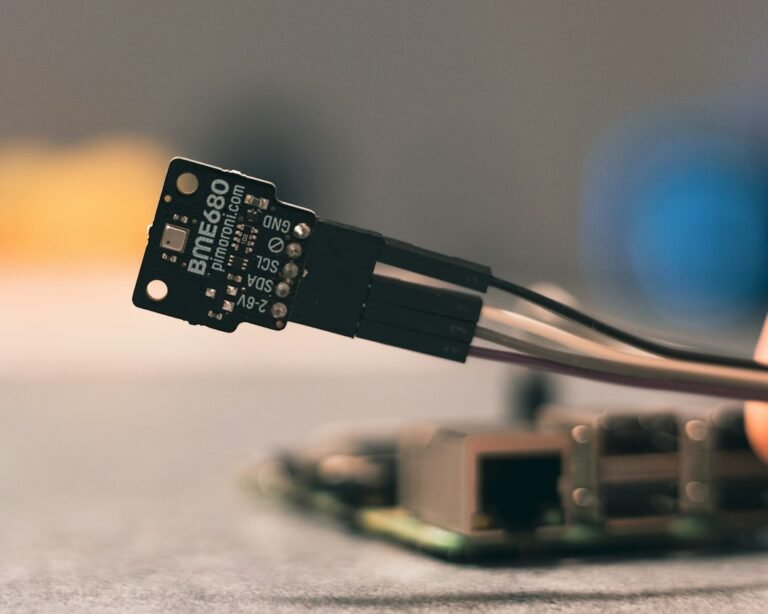
QTC changes resistance under pressure; capacitive sensors change capacitance. Compare circuits, drift, hysteresis and how to choose sensors for wearables.

Use a 100-point process-based assessment rubric for AI-assisted essays, with evidence, drafts, revision, reasoning and transparent AI-use criteria.
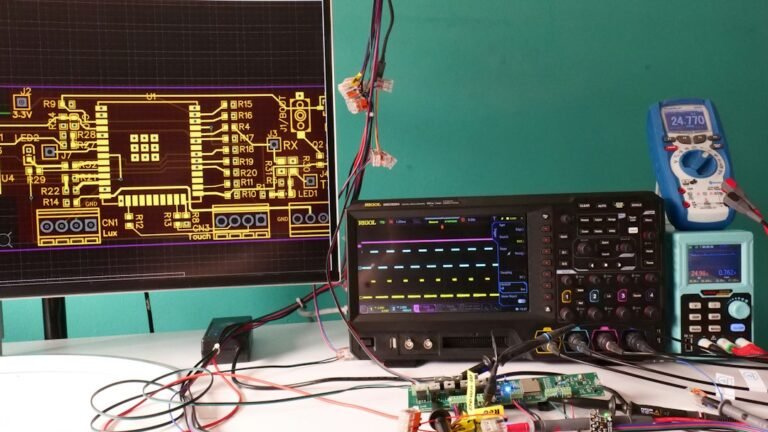
Learn the difference between QTC hysteresis and sensor drift. Follow a repeatable loading and holding test, log results and interpret pressure-sensor error.

What could a digital product passport QR code show on clothing? Explore fibre data, repair and recycling information, EU rules and the evolving 2027 timeline.

How do radiative cooling fabrics reflect sunlight and release infrared heat? Explore new 2026 research, real-world limits and how they differ from ordinary clothing.

Compare industrial brick heat batteries with Finnish sand batteries: storage materials, temperatures, district heating, steam output and real-world deployments.
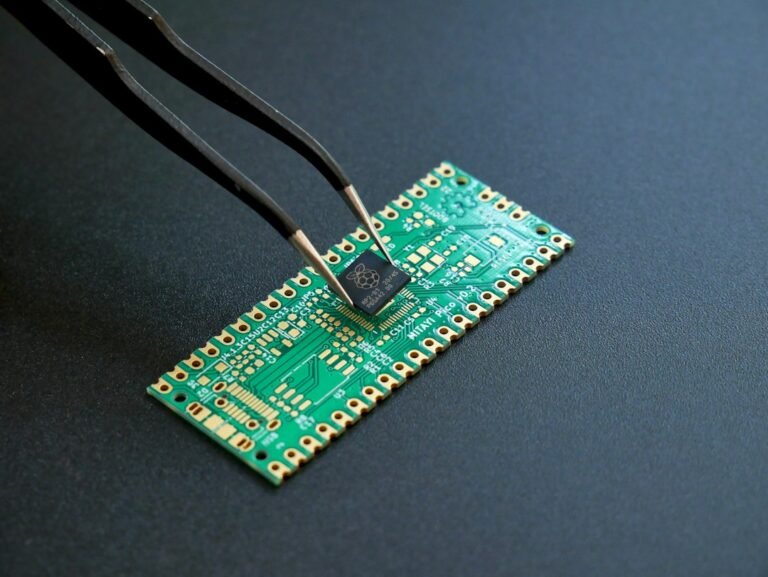
Learn how to read a QTC pressure sensor with an Arduino voltage divider, calculate sensor voltage, calibrate force readings and avoid common mistakes.

Thermal battery bricks use phase-change materials to store heat inside walls and release it later. New research is testing them as a way to shift building energy demand.

Agentic commerce uses AI agents to research, compare and sometimes purchase products. Learn how this emerging shopping model works and why trust matters.

What are liquid neural networks? Learn how continuous-time neural models adapt to changing inputs and why researchers are exploring them for robotics and edge AI.