How Bacteria Repair Concrete Cracks—and Their Limits
How can bacteria help seal concrete cracks? Learn the calcium carbonate mechanism, what 2026 rice-husk research found and why self-healing has limits.
Environment covers climate, cities, ecosystems, sustainability, water, materials, conservation, and practical ideas for understanding environmental change.
How can bacteria help seal concrete cracks? Learn the calcium carbonate mechanism, what 2026 rice-husk research found and why self-healing has limits.

Can materials pull water from dry air? Compare MOFs and hydrogels for atmospheric water harvesting, regeneration energy, 2026 experiments and real-world limits.
Compare industrial brick heat batteries with Finnish sand batteries: storage materials, temperatures, district heating, steam output and real-world deployments.
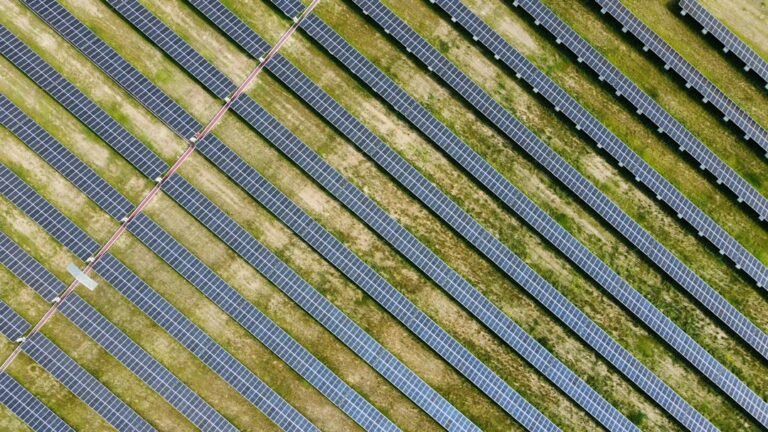
Solar grazing uses sheep to manage vegetation beneath solar panels. Here is how the practice works, why it is growing, and where its limits are.
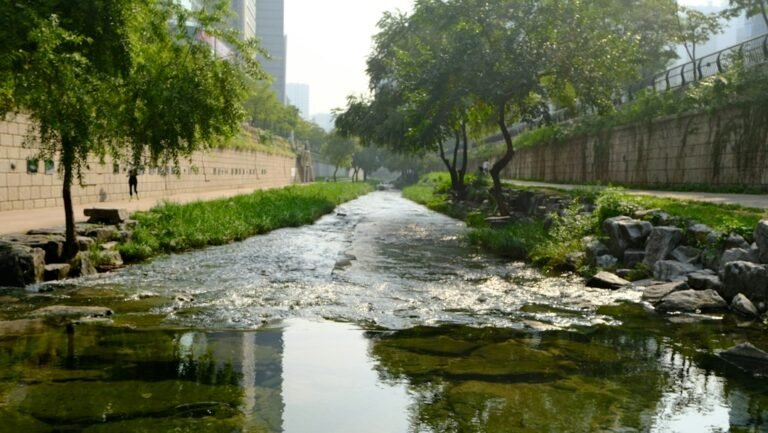
Stream daylighting restores waterways that were buried in pipes or channels. Learn why cities are uncovering streams for flood resilience, habitat and public space.
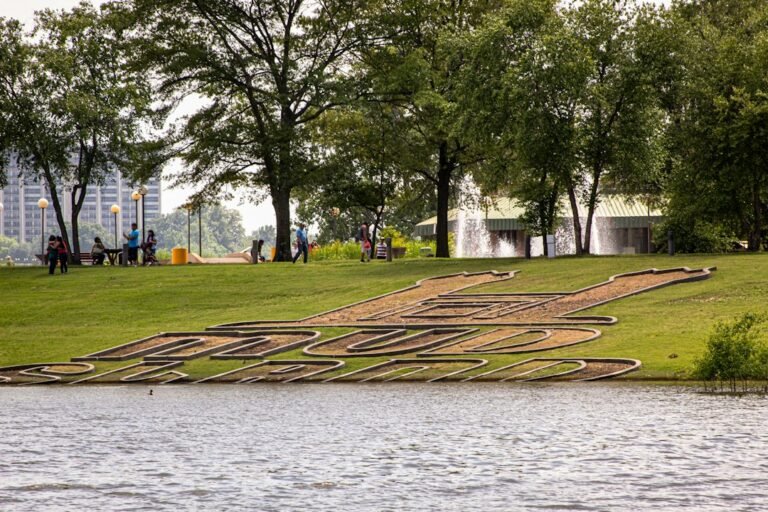
What is a sponge city? Learn how rain gardens, wetlands, permeable surfaces and green roofs can help cities slow, absorb and reuse stormwater.
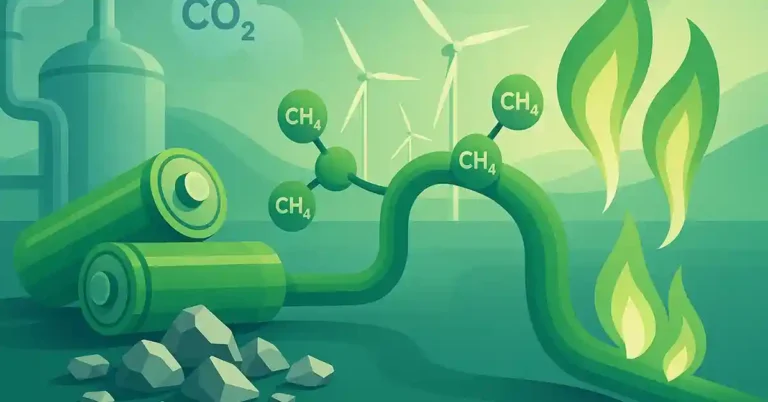
1. Wait—batteries can become fuel? Every year we buy millions of phones, laptops, and electric cars—then toss their worn-out batteries. In the European Union only about 5 % of lithium-ion batteries are collected for proper recycling (sustainabilitybynumbers.com), leaving a mountain of toxic waste. But a team of researchers in Vienna and a new EU-funded project…