Craft Café Pop-Ups: Why Gen Z Is Making Friends Offline
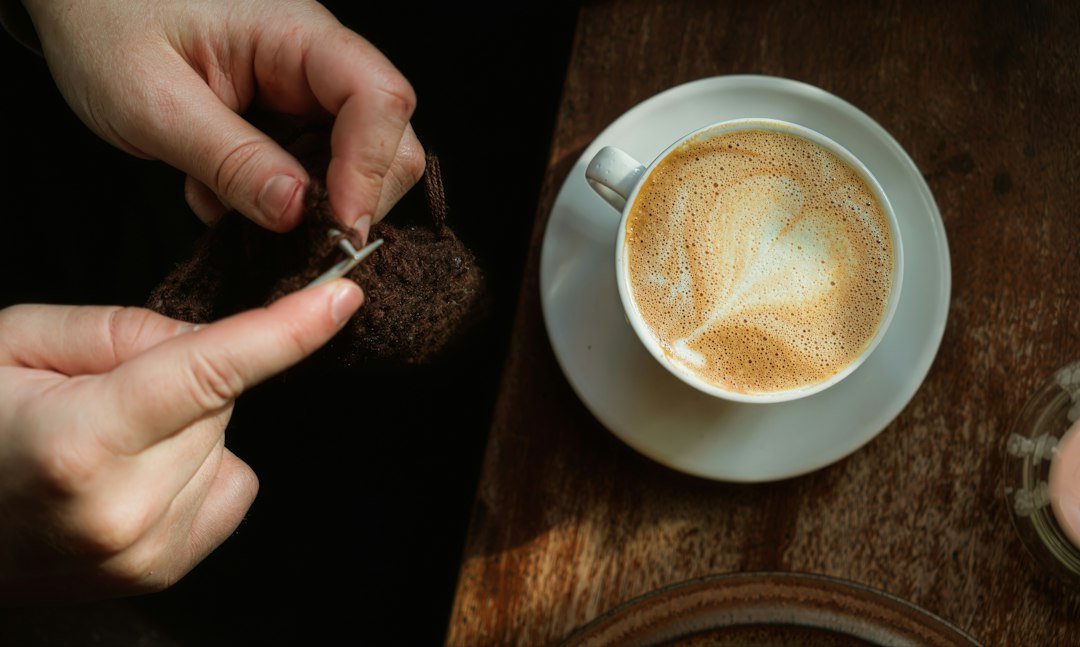
Craft café pop-ups are casual gatherings where people knit, crochet, embroider or make other things together, often over coffee. In 2026, they are becoming one visible expression of Gen Z’s interest in analog community: social time built around a shared activity rather than another evening spent scrolling. They are not necessarily permanent cafés, and the evidence supports a growing cultural pattern—not a claim that every young person has abandoned screens.
What is a craft café pop-up?
A craft café can be a dedicated coffee shop with materials and workshops, a one-night event in an existing café, or a regular gathering hosted by a maker or craft club. Some offer guided instruction and supplies; others simply provide a table where participants bring unfinished projects. Crochet, knitting, embroidery, paper crafts and jewellery-making all fit the format.
The central attraction is that conversation has a natural starting point: a pattern, a stitch, a colour or a technique. Participants can work quietly without having to sustain constant small talk. Unlike a conventional class, a casual craft night may be as much about company as learning a skill.
Why are craft cafés attracting attention in 2026?
Making things together is a form of analog socializing
In its February 23, 2026 report, youth-insights firm YPulse highlighted casual crochet and jewellery-making groups alongside snail-mail clubs and neighbourhood trinket exchanges. These examples point to a desire for small, tangible, local interactions. The report is a trend analysis, not proof of a universal generational preference.
Coverage of craft gatherings in the Guardian in September 2025 similarly described younger participants drawn to pottery, crochet and other slow hobbies. In June 2026, Axios reported on expanding craft-night options in Minnesota’s Twin Cities, including junk journaling and fibre arts. These are documented examples, not a measured national participation rate.
A shared project can make meeting people easier
Arriving alone at a networking event can feel awkward. At a stitch night, it is perfectly normal to ask what someone is making or request help with a knot. The activity supplies an opening without demanding immediate intimacy. Repeated meetings may help acquaintances become friends, although attendance by itself does not guarantee meaningful connection.
There is room for screen-free time without rejecting technology
People often discover a workshop through Instagram or a booking platform, then put their phones away to participate. Digital discovery and offline experience can complement each other. Cosmic Teapot’s earlier explanation of friction-maxxing and slower analog experiences explores a related motivation, while its guide to screen-free hobbies offers ideas beyond craft nights.
Are craft cafés the new third places?
A third place is an informal social setting beyond home and work or school. A recurring craft gathering can serve that role, especially if it is welcoming, affordable and easy to revisit. A single expensive ticketed workshop, however, may be less accessible than a free library group or an open café table. For context, see Cosmic Teapot’s discussion of the third-place revival.
A Canadian example shows how the idea can become a dedicated venue: The Cascade reported in January 2026 on The Knotty Brew in Abbotsford, British Columbia, where crochet, coffee and workshops share a space. Its report describes the venue’s own model; claims about being the first of its kind should not be treated as independently verified nationwide.
Craft café, class or free meetup: which should you choose?
| Format | Typical experience | Best for |
|---|---|---|
| Drop-in craft café | Bring a project; socialize at your own pace | People who already have a hobby |
| Guided pop-up workshop | Instructor, planned project, sometimes materials | Beginners wanting structure |
| Library or community craft circle | Often informal and low-cost or free | Regular local connection on a budget |
Fees, accessibility, supplies and minimum ages vary by organizer. Check the event listing rather than assuming a craft café includes materials or instruction.
How to try a craft night without spending much
- Search locally: Try “beginner crochet café,” “craft night near me,” “stitch and sip,” or your library’s events calendar.
- Check the format: Find out whether tools, yarn and instruction are provided, and whether the space is accessible.
- Start small: A simple square, bookmark or paper collage is enough; a finished masterpiece is not the point.
- Consider repeat events: Familiar faces are more likely at a monthly group than at an isolated pop-up.
- Make it welcoming: If organizing one, offer a low-cost option, clear beginner guidance and room for people who prefer quiet participation.
Frequently asked questions
Do you need to know how to crochet to attend?
No, but check the description. Some workshops explicitly teach beginners; open stitch circles may expect you to bring a project and basic supplies.
Are craft café pop-ups only for Gen Z?
No. Craft groups can be intergenerational. The Gen Z angle reflects current cultural coverage, not an age restriction.
Are craft cafés cheaper than a night out?
Sometimes, especially free community gatherings. Ticketed workshops with materials and instruction can cost more than an ordinary café visit, so compare total fees first.
Will craft cafés replace social media?
There is no evidence for that prediction. The more defensible observation is that some people use social media to find opportunities for in-person creativity.
The takeaway: Craft café pop-ups offer a practical middle ground between a solitary hobby and a high-pressure social event. Their cultural significance lies less in the yarn itself than in the invitation to make something—and meet someone—at the same table.