What Is Noctourism? Why Night Travel Is Growing
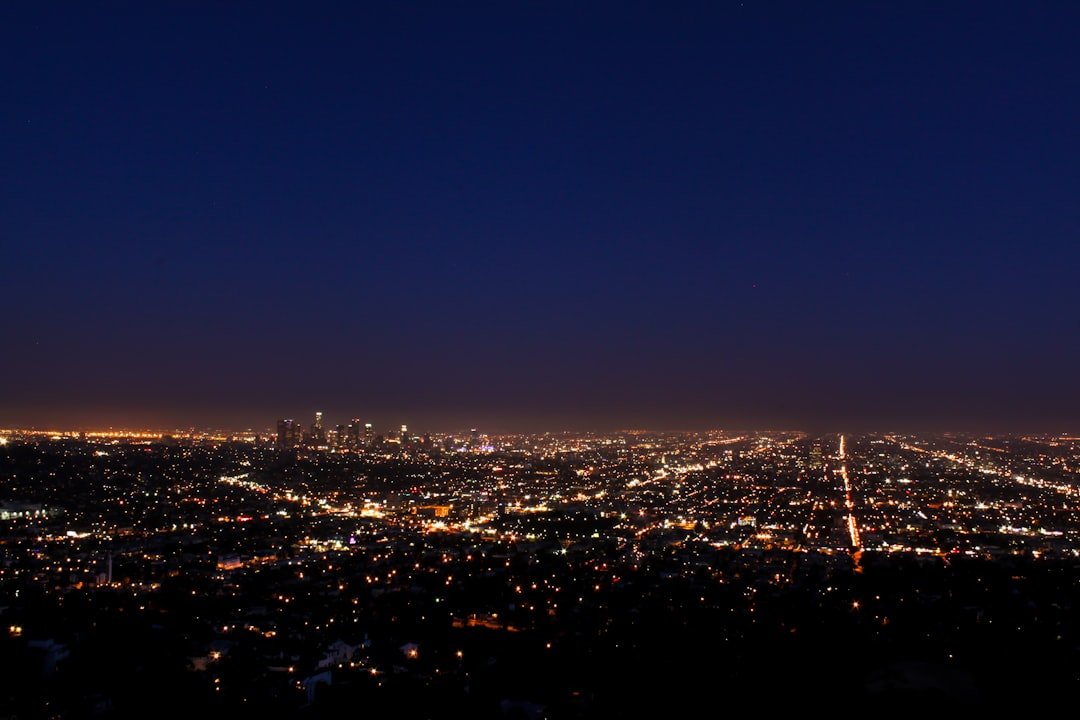
Noctourism, or nocturnal tourism, means planning travel around experiences that happen after dark. That can include stargazing, aurora viewing, night safaris, museum late openings, night markets and evening tours of places usually associated with daytime sightseeing.
Why is noctourism growing?
Several travel trends meet at night. Dark-sky tourism has expanded, popular attractions can be less crowded after sunset, and travellers in very hot destinations may prefer cooler evening hours. National Geographic identified noctourism among the trends shaping travel in 2026.
What counts as noctourism?
- Stargazing and dark-sky parks.
- Northern-lights or other astronomical trips.
- Guided night walks and wildlife experiences.
- Night markets and after-hours cultural attractions.
- Evening access to busy landmarks.
How is it different from nightlife?
Nightlife usually refers to entertainment such as bars, clubs and late dining. Noctourism is broader and often revolves around nature, astronomy, culture or a different way of seeing a destination.
What should travelers keep in mind?
Night experiences can involve different transportation, weather, visibility and wildlife considerations than daytime sightseeing. Reputable local operators and destination guidance matter, especially for remote nature activities.
The bottom line
Noctourism turns darkness into part of the itinerary instead of the end of the day. It also illustrates how travel trends increasingly respond to crowds, heat and a desire for distinctive experiences.