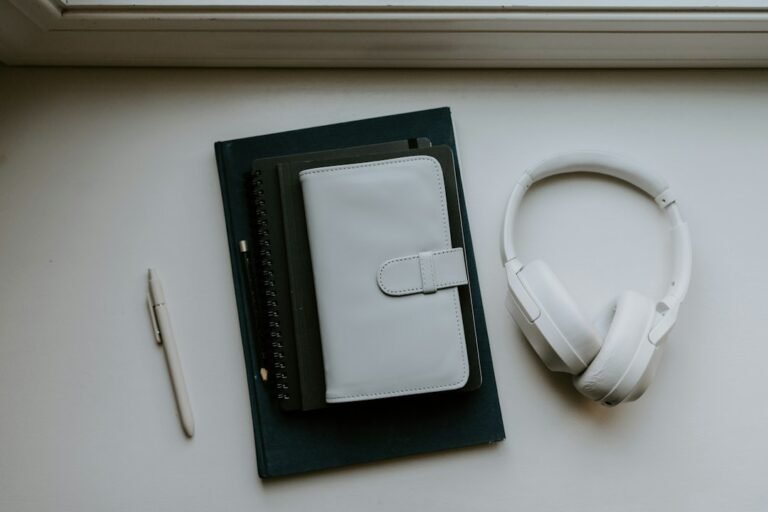
Why Handwritten Letters Are Coming Back in the Digital Age
Handwritten letters are making a modest comeback among people who want communication to feel more deliberate. In a world where a message can cross the planet instantly, the appeal of a letter is almost the opposite: it takes time to write, send, receive and keep.
Why would anyone choose slower communication?
Speed is useful, but it also makes messages easy to treat as disposable. A letter occupies physical space. The handwriting, paper, stamp and delay become part of the message, which can make the exchange feel more intentional.
Is letter writing actually growing?
Recent 2026 reporting has documented renewed interest in pen-pal groups, stationery and organized letter-writing events. The movement overlaps with analog hobbies and screen-light trends rather than replacing texting or email.
What makes letters different?
- They encourage longer-form thought without live notifications.
- Handwriting creates a visible personal trace.
- Physical letters can be stored and rediscovered years later.
- The delay creates anticipation that instant messaging removes.
The return of “slow media”
Letter writing fits a wider cultural interest in activities that resist constant optimization. Vinyl records, film cameras, physical books and analog notebooks all ask for more participation than tapping a notification.
The bottom line
Handwritten correspondence is unlikely to replace digital communication. Its value comes precisely from being unnecessary for speed. For related trends, see our coverage of analog bags and the upcoming explainer on friction-maxxing.