What Is Stream Daylighting? Why Cities Are Uncovering Buried Rivers
Many cities have rivers and creeks that most residents never see. Over decades of development, small waterways were often straightened, buried in pipes or converted into drainage infrastructure. Stream daylighting reverses part of that history by bringing a buried waterway back to the surface.
What is stream daylighting?
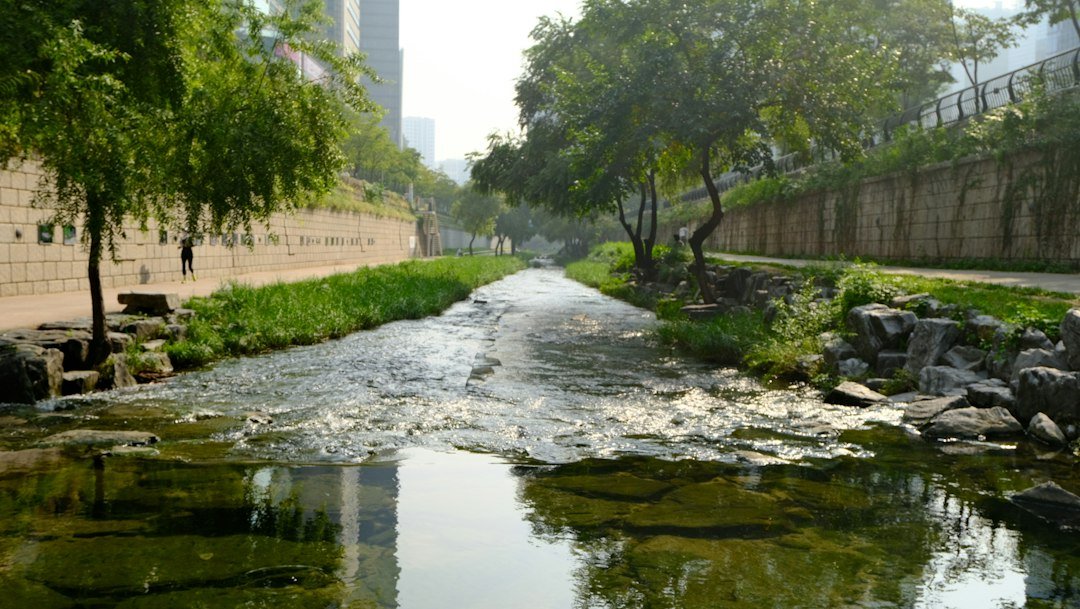
Stream daylighting is the practice of uncovering a stream that has been routed underground and restoring it as an open watercourse. The restored channel may not perfectly reproduce the original stream, especially in dense urban areas, but it can reintroduce flowing water, vegetation and habitat where a pipe once carried runoff out of sight.
Why did cities bury streams in the first place?
Rapid urban growth often treated small waterways as obstacles. Streams were put into culverts to create roads, building lots and sewer corridors. In some cases this reduced immediate flooding or sanitation problems, but it also removed habitat and disconnected communities from local water systems.
Why are cities uncovering streams now?
One reason is flood resilience. Open channels, wetlands and planted banks can slow and store stormwater instead of moving it rapidly through pipes. Stream daylighting also supports wildlife, improves water quality and can create green public space.
The strategy fits the same broader shift as sponge-city design, which treats rainfall as something landscapes can absorb and manage rather than simply drain away.
What does stream daylighting look like in practice?
Projects vary widely. Some remove a section of pipe and rebuild a naturalized creek with rocks, pools and native plants. Others create a new surface channel that approximates the historic route while working around utilities, roads and existing buildings.
Vancouver, for example, has restored sections of urban creeks and notes that daylighting is not possible everywhere because underground utilities and competing land uses can limit options. That is an important reminder that nature-based infrastructure still has to work inside real cities.
What are the benefits beyond flooding?
An open stream can create habitat for birds, amphibians, fish and insects while adding tree canopy and cooler green space. It can also make water visible to residents, which changes how people understand their local watershed.
That visibility matters. Environmental infrastructure is easier to ignore when it disappears underground. Projects such as stream restoration make ecological systems part of the everyday cityscape.
Is daylighting always the best solution?
No. A project can be expensive, disruptive and constrained by contamination, property boundaries or infrastructure. In some places, improving underground drainage or adding other green infrastructure may provide more benefit for the cost.
The wider lesson is similar to other environmental technologies, including renewable methane: the most useful solution depends on local conditions rather than one universal model.
The bottom line
Stream daylighting turns buried waterways back into visible parts of a city. As heavier rainfall and urban heat put pressure on infrastructure, restored streams offer one way to combine drainage, habitat and public space in the same project.