What Is Walking Football? Why the Slower Game Is Growing Fast
Football is usually built around speed. Walking football removes that assumption. Players still pass, defend, shoot and compete, but running is not allowed and contact is reduced. The result is a recognizable version of the game designed to keep people playing long after full-speed football becomes uncomfortable or impractical.
In 2026, the format moved further into the mainstream with UEFA staging its first Walking Football EURO Cup and national associations expanding programs for older players.
What is walking football?
Walking football is a modified version of association football in which players must walk rather than run. Games are generally small-sided, use adapted pitch sizes and include rules intended to reduce collisions and physical strain. Specific regulations vary by competition, but the core idea is consistent: preserve the skill and social experience of football while lowering the demands of sprinting and heavy contact.
UEFA describes the format as an inclusive way for older adults to remain active and connected to the sport. Its 2026 Walking Football EURO Cup brought national teams together for the first time.
Why is walking football growing now?
Ageing populations are one reason. Many people who spent decades playing or following football still want organized competition, but conventional veteran leagues can remain physically demanding. Walking football offers a bridge between stopping entirely and trying to keep up with a game designed around younger bodies.
The sport also fits a larger move toward modified activities that make competition accessible across more of the lifespan. Research published in 2026 has examined walking football not only as exercise but as a source of social connection and wellbeing.
Cosmic Teapot has covered other sports that are expanding by changing familiar formats, including the rise of teqball and sports tourism built around live events.
What rules make it different from regular football?
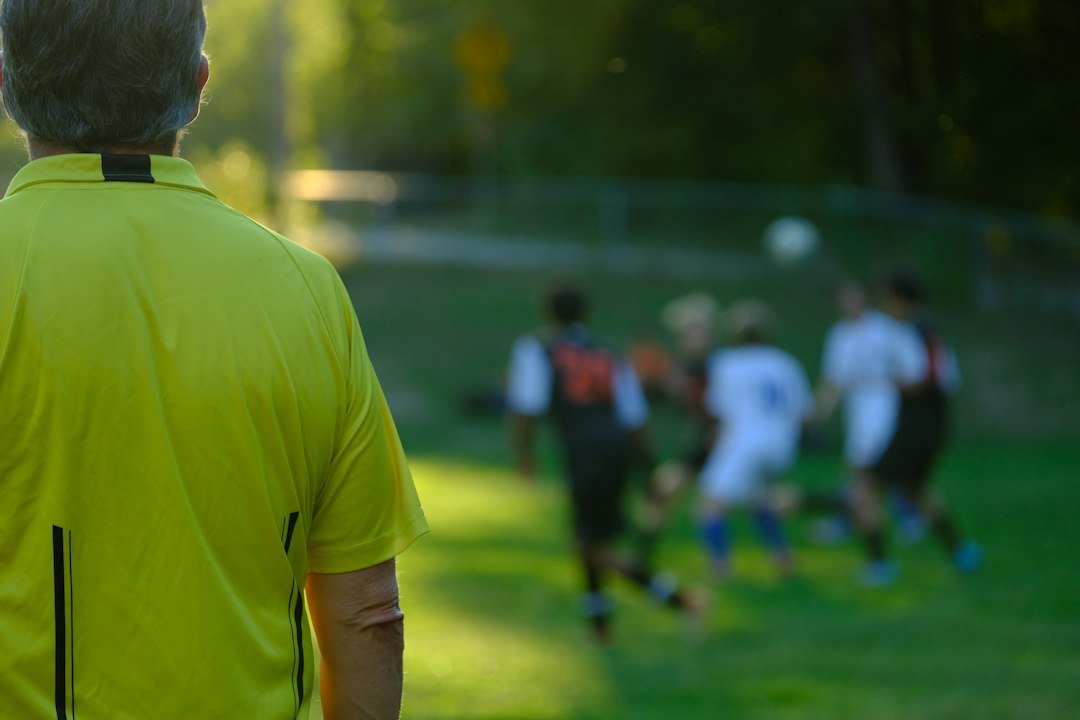
The most obvious rule is no running. Referees must decide when a player has both feet off the ground in a running motion, which can be surprisingly difficult in a competitive match. Many formats also restrict physical contact and limit how high the ball may travel.
Pitches are smaller and teams often have fewer players. These changes reduce the amount of ground each participant must cover while keeping passing, positioning and decision-making central to the game.
Is walking football actually good exercise?
“Walking” can make the game sound gentle, but competitive sessions can still be physically demanding. A 2025 review in BMJ Open Sport & Exercise Medicine found promising evidence for physical and psychosocial benefits, while also noting that the research base is still developing.
A 2026 Scientific Reports study examining caregivers of people living with dementia found that participation could provide important wellbeing and social benefits. Those findings should not be read as medical guarantees, but they help explain why community health programs have become interested in the format.
Who plays walking football?
The sport is most strongly associated with adults over 50, but programs differ. Some have age bands, mixed teams, women’s divisions or groups designed for people managing particular health conditions. UEFA has highlighted programs involving participants in their 60s, 70s and beyond.
That range is part of walking football’s appeal. It lets people return to a familiar game without pretending that every body should perform like it did at 25.
Could walking versions of other sports grow too?
They already are. Researchers are studying walking netball and other adapted sports, and the basic logic can travel: keep the tactics, teamwork and identity of a familiar game while changing the movement rules.
If walking football continues to develop formal competitions while preserving its recreational side, it may become one of the clearest examples of sport adapting to longer, more active lives rather than expecting participants to age out.