Precision Fermentation Milk Protein: Is It Dairy-Free?
Precision fermentation milk protein can be made by microorganisms rather than cows, but it may still be milk protein. An ingredient described as animal-free whey is not automatically safe for someone with a milk allergy. The production process and the molecular identity of a protein are separate things.
The UK’s Food Standards Agency and Food Standards Scotland have published their first dedicated safety guidance for precision fermentation products. The guidance, updated in November 2026, provides a useful occasion to clarify what this new class of food ingredients means for consumers.
How precision fermentation makes milk protein
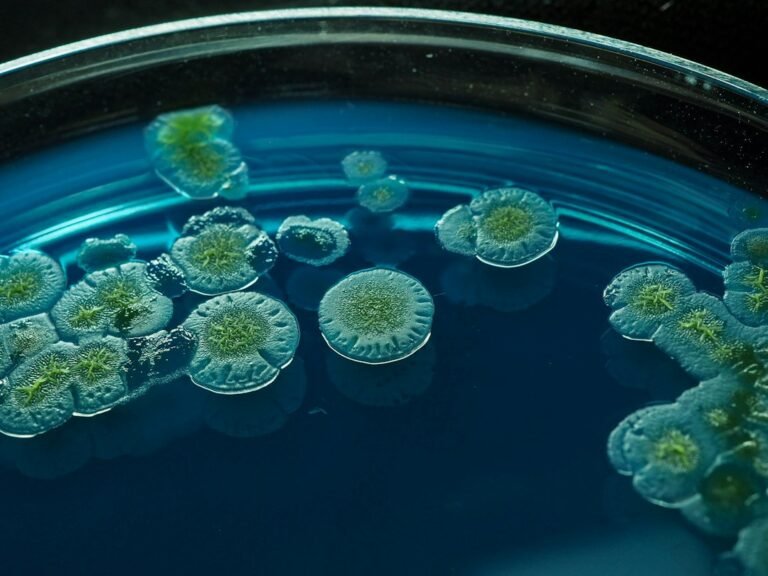
In precision fermentation, microorganisms are selected or engineered to produce a target substance. During production they grow in a controlled environment and make that substance; downstream processing separates and purifies the desired ingredient. With dairy proteins, a manufacturer may aim to produce a protein corresponding to whey or casein found in cow’s milk.
Unlike conventional milk, the resulting ingredient need not contain the complete mixture of fat, sugar, minerals and proteins naturally present in milk. A food company can incorporate it into a beverage or other product, where other ingredients determine the finished food’s properties.
Animal-free is not the same as milk-allergen-free
| Term | What it describes | What it does not establish |
|---|---|---|
| Animal-free production | Target ingredient made without obtaining it from an animal | Absence of milk protein |
| Lactose-free | Low or absent lactose according to applicable rules | Absence of allergenic milk proteins |
| Milk-protein-free | Absence of milk protein | Whether an unrelated ingredient causes a reaction |
A milk allergy is an immune reaction to milk proteins, while lactose intolerance concerns digestion of the milk sugar lactose. Someone with lactose intolerance may have different needs from someone with a milk allergy. Neither condition should be assessed from the phrase animal-free alone.
What the 2026 food guidance changes
The UK guidance discusses safety considerations for foods and ingredients produced using precision fermentation. It does not grant blanket authorization to all products or establish the rules in Canada or every other jurisdiction. A 2026 research review describes how regulatory frameworks, production methods and consumer acceptance interact as manufacturers develop ingredients such as whey and casein.
When reviewing a product, the relevant questions are the identity of the protein, the safety assessment, the finished ingredient list and the applicable allergen declaration. The word fermentation alone is insufficient.
What to check on the label
Look for whey, casein, milk and any related allergen statements, including warnings about cross-contact. If the ingredients or allergen status are unclear, ask the manufacturer. People with a diagnosed milk allergy should not try a product containing milk protein merely because it was produced without cows; consult their allergy clinician when in doubt.
For more background, read what precision fermentation is and how it differs from plant molecular farming. These technologies change how ingredients are made, not necessarily what those ingredients are.
Frequently asked questions
Is animal-free whey safe for milk allergies?
Do not assume so. If it contains an allergenic milk protein, the source organism does not make it safe.
Is precision fermentation always lactose-free?
No universal claim applies to every finished food. Check the ingredients and the manufacturer’s lactose claim.
Does precision fermentation approval in the UK apply to Canada?
No. Each jurisdiction has its own regulatory processes and applicable food labelling requirements.
Featured stock photograph: Hans Reniers on Unsplash. Image illustrates the subject and does not depict the cited study or project.