What Are Virtual Concert Avatars? Why Digital Performances Are Expanding
Virtual concert avatars are digital representations of performers used in live or immersive entertainment. They can recreate an artist at a particular age, represent a fictional persona or let a performance continue without the physical artist appearing on stage every night.
What are virtual concert avatars, and how do they work?
The best-known productions combine motion capture, digital visual effects, recorded performance data, lighting and a purpose-built stage. The audience is still physically present in a venue, but the performer they see may be a highly detailed digital character integrated with live musicians and theatrical effects.
Why is the format expanding?
ABBA Voyage showed that an avatar-based show can become a long-running attraction rather than a one-off novelty. Other artists and rights holders are now discussing similar possibilities. In September 2026, Queen guitarist Brian May publicly discussed the pros and cons of an ABBA-style avatar show for Queen, while also raising concerns about how AI and digital recreation should be used.
What makes these shows different from a video?
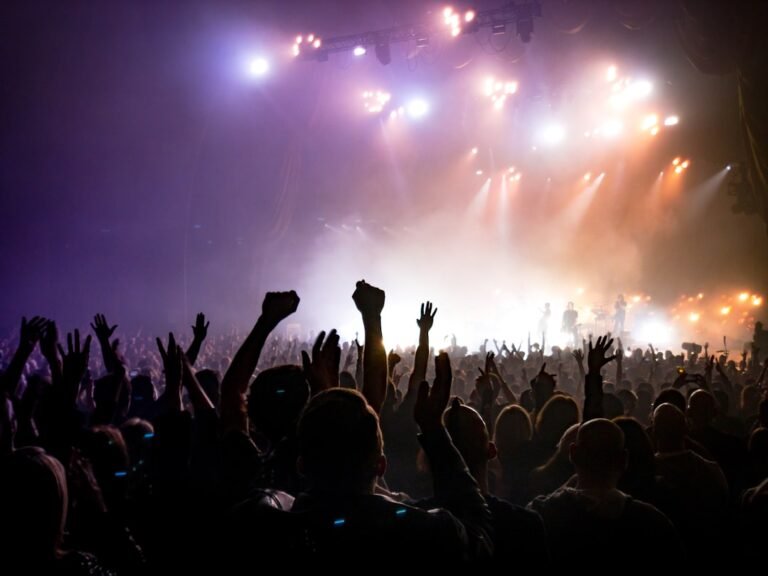
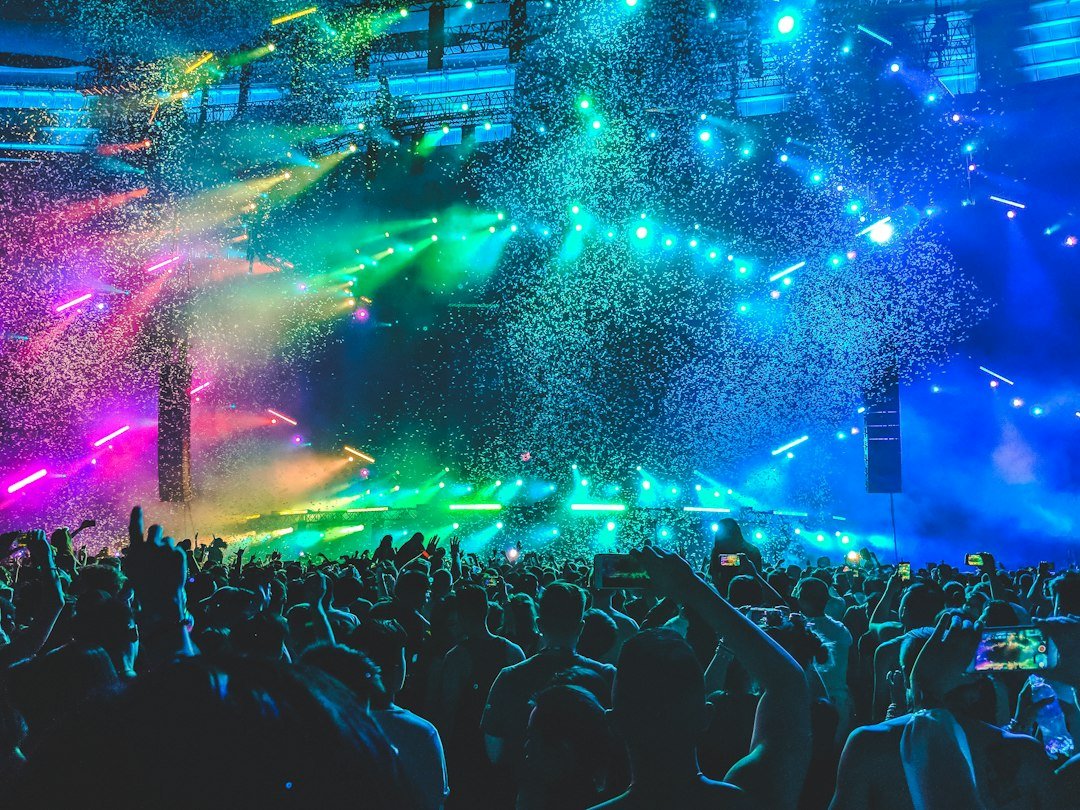
A virtual concert is designed as a live-event experience. The scale of the venue, synchronized lighting, sound, audience reaction and sometimes live musicians are part of the product. The digital performer is only one layer of the production.
What are the big questions?
- Consent: who has the right to approve a digital recreation?
- Authenticity: how much performance should come from an artist’s real movements and recordings?
- Longevity: could a successful show run for years without a conventional tour?
- Economics: purpose-built venues are expensive, but a stable production can avoid the logistics of moving a large tour.
The bottom line
Virtual concert avatars are becoming a distinct branch of live entertainment rather than a replacement for concerts. The format is likely to matter most when artists, estates and audiences see the digital experience as its own production rather than a substitute for a person on stage.
Explore more shifts in media and performance in Entertainment.
More on virtual concert avatars and changing music experiences
For related entertainment trends, read how the superfan economy is reshaping music and how streaming incentives affect ambient music.