What Is the Superfan Economy? Why Music Is Betting on Its Biggest Fans
The music business spent years chasing scale: more streams, more playlist placements, more followers. In 2026, a different idea is getting much more attention: the superfan economy.
The basic premise is that a relatively small group of deeply engaged fans can matter more to an artist’s long-term career than a huge audience of casual listeners.
What is the superfan economy?
The superfan economy describes the growing business around listeners who do much more than stream a song once. Superfans may attend concerts, buy vinyl, collect merchandise, join fan communities, pay for exclusive content, or follow an artist across several platforms.
For artists and labels, these fans represent something streaming alone often cannot provide: a direct, durable relationship.
Why is the superfan economy growing now?
Streaming made music easier to discover, but it also made individual streams financially tiny and audiences more fragmented. At the same time, social platforms gave artists new ways to communicate directly with dedicated fans.
In 2026, outlets including Axios and Vogue have highlighted the growing economic power of superfandom. New direct-to-fan platforms and premium experiences are also giving artists more ways to offer early access, special releases, community features, and limited merchandise.
What makes someone a superfan?
There is no universal threshold. The label generally describes someone whose connection goes beyond passive listening.
- follow release news closely;
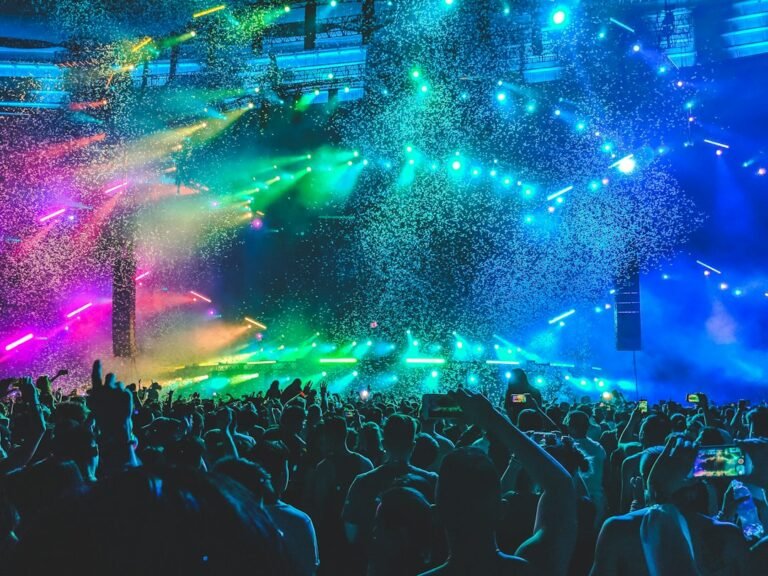
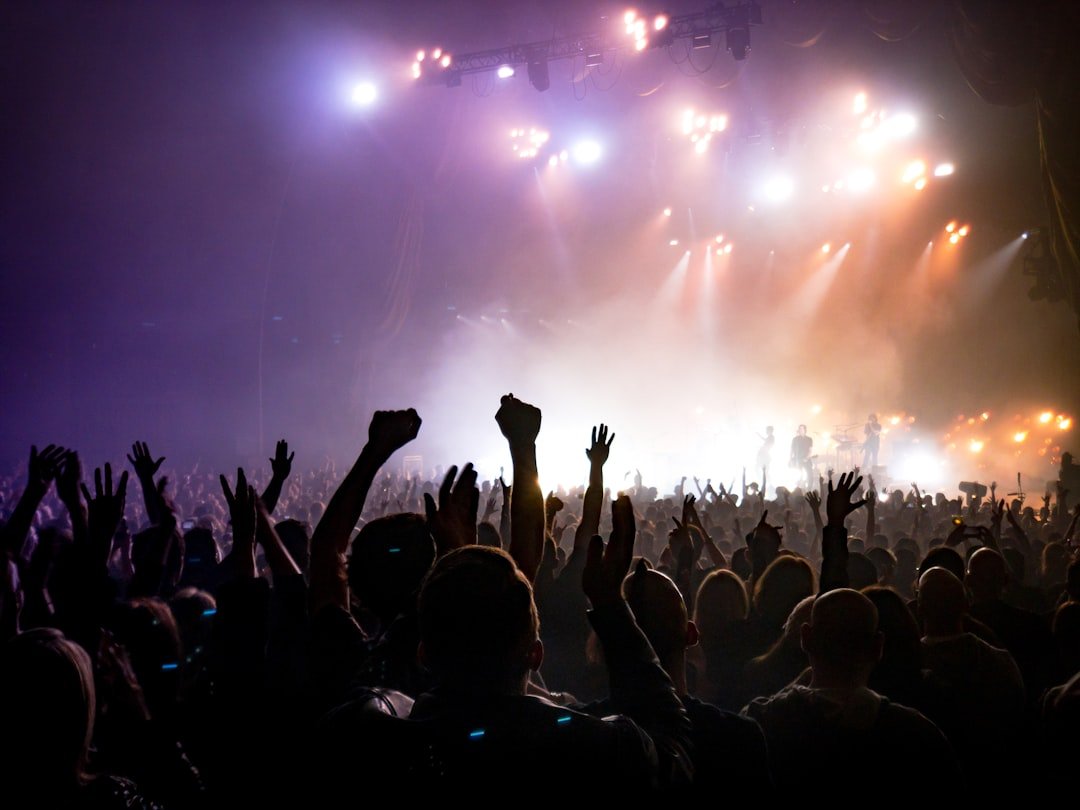
- attend live shows;
- buy physical music or merchandise;
- participate in fan communities;
- share and recommend an artist’s work;
- pay for special access or experiences.
The important difference is engagement. A casual listener consumes a song; a superfan participates in the culture around the artist.
Why does this matter in the streaming era?
Streaming rewards enormous scale, but most musicians do not have hundreds of millions of listeners. A smaller direct audience can sometimes provide more predictable support.
That is why the superfan economy is especially interesting for independent musicians. An artist does not necessarily need to become globally famous if they can build a loyal community that repeatedly shows up.
Is this just a new name for fandom?
Fandom itself is ancient. People have collected records, joined fan clubs, traveled to concerts, and traded memorabilia for generations.
What is new is the infrastructure. Digital platforms can now measure fan behavior, sell directly to audiences, organize private communities, and create tiers of access at a scale that old fan clubs could not easily match.
Why are physical products important again?
One of the most interesting parts of the superfan economy is the return of tangible objects. Vinyl records, deluxe editions, posters, clothing, and collectibles give fans something a stream cannot: a physical marker of identity and belonging.
That helps explain why digital music culture and physical merchandise are growing together rather than replacing each other.
What are the risks of the superfan model?
There is a fine line between serving dedicated fans and constantly asking them to spend more. Limited editions, multiple versions, premium tickets, and exclusives can strengthen fandom, but they can also create fatigue or pressure.
The most sustainable version of the superfan economy is likely one that treats community as more than a sales funnel.
How does this change music careers?
The model encourages artists to think about depth as well as reach. Instead of asking only, ‘How many people heard this song?’ they can ask, ‘How many people care enough to come back?’
That shift connects music with broader changes in culture and entertainment, where niche communities can now support creators directly.
Why the superfan economy is worth watching
The music industry is still built on hits, but the definition of success is widening. In a world overflowing with content, attention is easy to sample and hard to keep. Superfans matter because they represent sustained attention.
That may make the future of music less about reaching everyone and more about becoming indispensable to the right people.
More on the superfan economy and changing music culture
For related music trends, read how streaming incentives affect ambient music and why virtual concert avatars are expanding.