What Is a Listening Bar? Why Focused Music Spaces Are Growing
A listening bar is a venue built around close, intentional listening to recorded music. Instead of treating music as background sound, the room, speakers, record selection and seating are designed to make listening the main event.
What is a listening bar, and where did listening bars come from?
The modern trend draws heavily from Japanese jazz kissa and other music cafés where carefully selected records and high-quality audio systems have long shaped the atmosphere. Newer listening bars adapt that idea for different genres, cocktails, coffee and contemporary interior design.
Why are listening bars growing?
The rise of vinyl and interest in screen-light social experiences have created a receptive audience. In 2026, coverage of listening rooms and listening bars has continued to grow across design and music media, suggesting that intentional listening is moving beyond a small audiophile niche.
What makes a listening bar different?
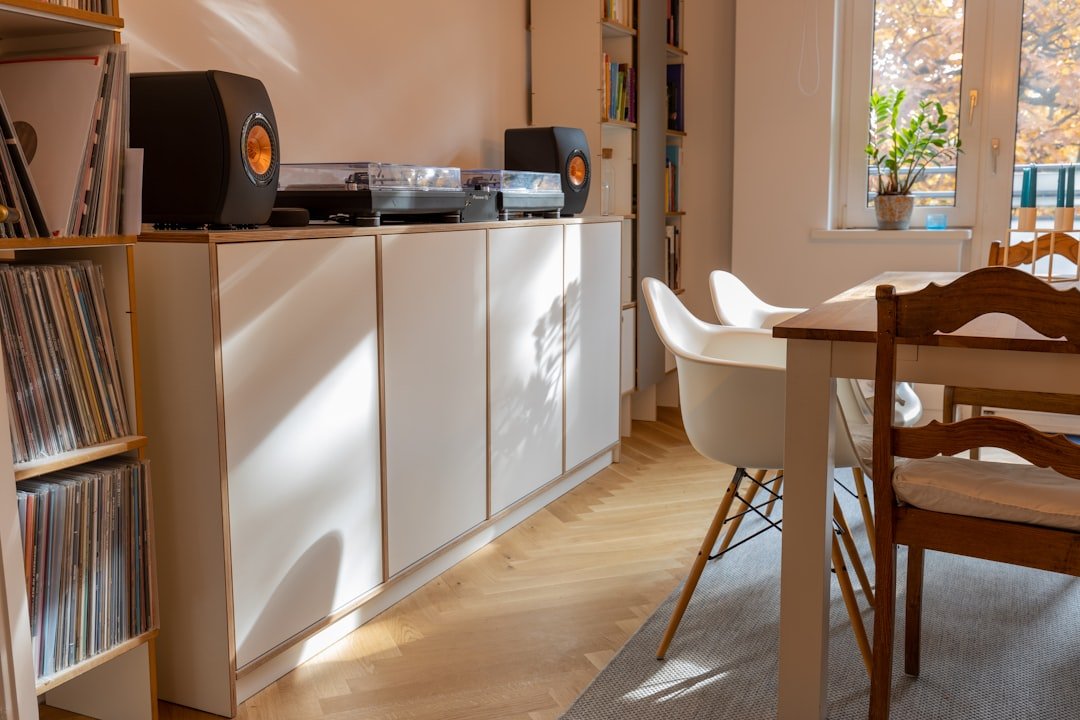
- The sound system is treated as part of the architecture.
- Record selection is curated rather than algorithmically generated.
- Volume is usually chosen for listening rather than overpowering conversation.
- Seating may face the speakers or DJ area rather than a television.
Why does the idea feel timely?
Music is now easier to access than at any point in history, yet much of it is consumed while people do something else. Listening bars create the opposite environment: limited choices, physical presence and attention to a full recording. That makes them part of the same broader return to analog experiences seen in vinyl, film photography and screen-free trends.
The bottom line
A listening bar turns recorded music into a destination. Its appeal comes from treating attention, sound quality and curation as things worth leaving the house for.
For another listening-focused music trend, read how streaming incentives affect ambient music.