Drought-Tolerant Beans: What Root Microbes Reveal
Drought-tolerant common beans appear to host distinctive communities of root-zone microbes, but a September 2026 study does not show that adding those microbes will automatically make crops drought-proof. Researchers comparing four bean cultivars found differences in microbial genes associated with coping with water stress. The finding offers a useful starting point for future crop research, rather than a ready-made treatment for farms.
What did the 2026 common bean microbiome study find?
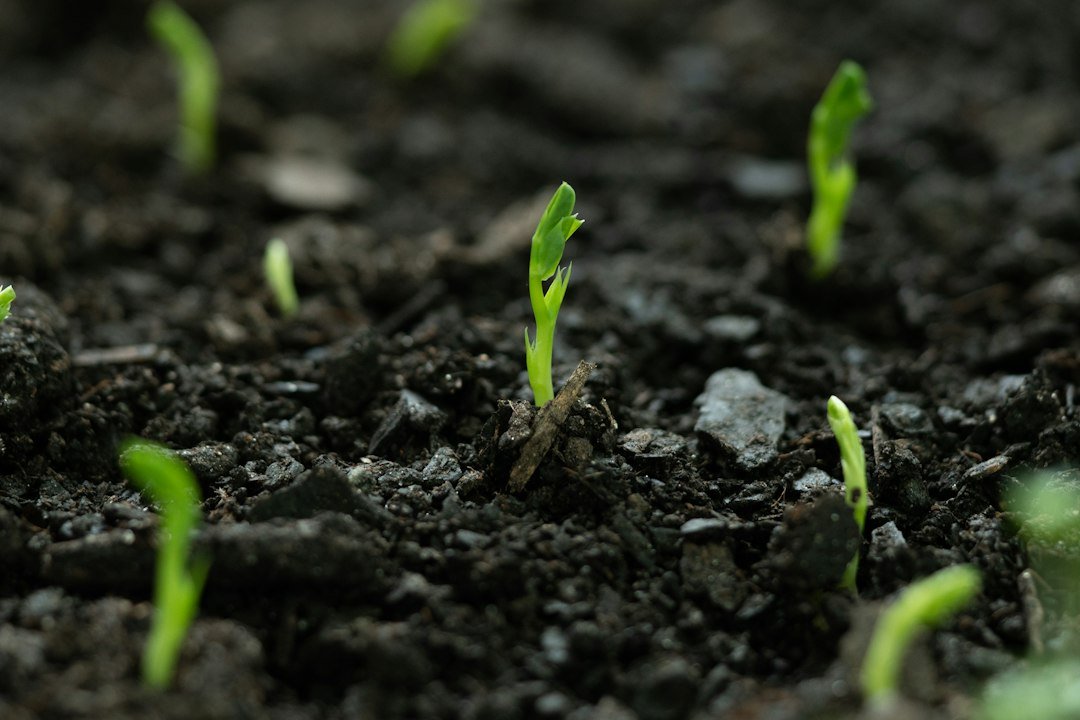
In a paper published September 1, 2026, in npj Biofilms and Microbiomes, Thierry Alexandre Pellegrinetti and colleagues studied the rhizosphere—the narrow region of soil influenced by plant roots—of four common bean (Phaseolus vulgaris) cultivars with contrasting drought tolerance. The team compared their microbiomes under controlled water limitation using shotgun metagenomic sequencing. That technique examines DNA from whole microbial communities, rather than looking only for a few familiar bacteria.
The drought-tolerant bean genotypes were associated with greater representation of certain microbial groups, notably Actinomycetia, and genes linked to stress-related functions. These included pathways involved in producing or processing osmoprotectants such as trehalose, glycine betaine and proline, as well as oxidative-stress responses, signalling and nutrient cycling. Importantly, the investigators reported that most genes and microbial genomes were shared among the cultivars. The differences were largely in their relative abundance and functional emphasis—not an entirely new collection of microbes appearing around resilient plants.
Why root-zone bacteria matter during drought
When soil dries, plants face several simultaneous challenges. Water becomes harder to obtain, nutrients move differently through soil, and cells must manage chemical stresses. The rhizosphere is a busy interface where roots release compounds and microorganisms consume, transform or exchange nutrients.
Osmoprotectants and stress responses
Some microbes have the genetic capacity to make molecules that help cells manage osmotic stress. Trehalose, glycine betaine and proline are commonly discussed in this context. Finding genes associated with these pathways is interesting, but DNA alone cannot establish how much of a compound was produced, whether it reached the plant or whether it improved yield. Metagenomics describes biological potential and community composition; direct experiments are needed to demonstrate a benefit.
Plant variety shapes the underground neighbourhood
The study’s genotype-dependent pattern matters because two bean varieties in similar soil can interact differently with their microbial neighbours. Root chemistry, growth and stress responses may all influence which organisms thrive. Equally, microbes may affect plant performance. Observational associations within an experiment cannot, by themselves, establish the direction or size of that relationship.
What is new—and what remains uncertain?
The most useful distinction is between identifying a microbial signature and proving an agricultural intervention works.
| What researchers observed | What it does not yet prove |
|---|---|
| Enrichment of Actinomycetia in more drought-tolerant genotypes | That applying Actinomycetia will increase harvests |
| More genes associated with osmoprotection and stress management | That those genes were actively expressed or improved plant survival |
| A broadly shared core microbiome | That one universal microbial product will work in every soil |
| Differences under controlled water limitation | That the same pattern will persist across farms and growing seasons |
A separate March 2026 study in Microbiology Spectrum examined drought exposure across two generations of common bean plants. Its authors reported microbiome responses that were often weak, inconsistent or absent, despite plant decline under drought. That contrast is instructive: microbial communities may be resilient in some conditions, while differences among host genotypes become apparent in others. Research design, soil, water regime and the organisms measured can change the picture.
Could this lead to drought-resistant bean farming?
Potentially, but several steps separate a laboratory signature from a reliable field practice. Scientists would need to isolate or assemble candidate microbial communities, test whether they actually improve bean growth under water shortage, repeat results across different soils and climates, and assess safety and consistency. They would also need to compare benefits against established approaches such as choosing locally adapted varieties, improving soil management and managing irrigation.
Another 2026 study on avocado orchards provides a useful comparison. Researchers studying long-term organic and conventional management identified drought-associated Bacillus strains and then tested selected strains in greenhouse assays, where some mitigated drought stress. That additional experimental step helps move from correlation toward a mechanism, although avocado results should not be transferred directly to beans.
For a broader look at emerging food-production approaches, see Cosmic Teapot’s comparison of plant molecular farming and precision fermentation. Both stories illustrate why a promising biological technique needs careful evaluation before commercial claims are made. The site’s exploration of living bacterial dyeing and fermented pigments offers another example of how microbial capabilities can differ from scalable applications.
What should growers and curious readers take away?
The practical message is not to buy a particular soil inoculant on the strength of this paper. Instead, it is that drought tolerance may depend partly on interactions between a plant’s genetics and the microbial functions already present around its roots. Future breeding and soil-management research could consider these relationships alongside conventional measurements of yield, water use and resilience.
For anyone evaluating a headline about “drought-proof beans,” three questions help: Was the study conducted in a field or a controlled environment? Did researchers measure crop performance or mainly microbial DNA? And was a proposed treatment actually tested against a meaningful comparison group? These questions separate an intriguing discovery from a validated farming solution.
Frequently asked questions
What is a rhizosphere microbiome?
It is the community of microorganisms living in the soil immediately influenced by roots, together with their collective genetic and functional potential.
Did researchers discover a single drought-resistant bacterium?
No. The September study identified community-level taxonomic and functional signatures associated with tolerant bean cultivars, not one proven miracle microbe.
Can farmers use the findings immediately?
Not as a validated microbial treatment. Field trials, functional tests and evaluation across soils would be needed before recommending a specific inoculant based on these results.
Does a microbial gene mean a microbe is helping the plant?
Not necessarily. A gene indicates potential; expression, activity and a measurable plant benefit require additional evidence.