Why Do Mammals Glow Under UV Light? Biofluorescence Explained
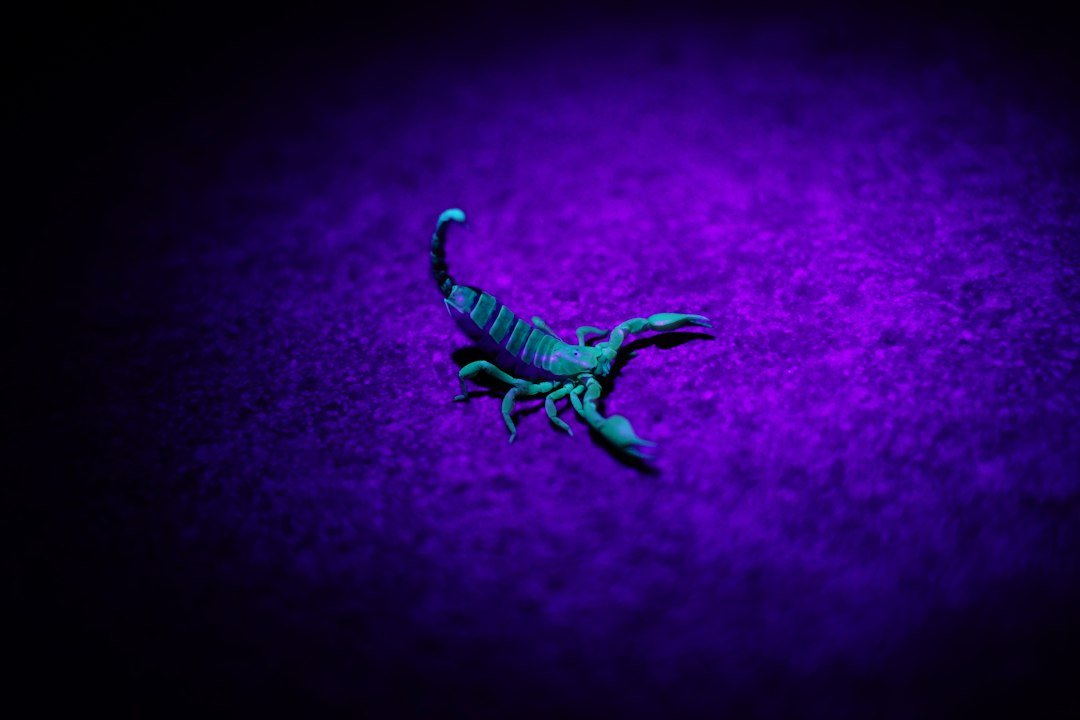
Shine ultraviolet light on the right mammal and an ordinary brown or grey coat can suddenly glow pink, green, blue or orange. Platypuses helped popularize the phenomenon, but they are far from alone. Museum surveys have found apparent fluorescence across a remarkable range of mammal groups.
The surprise is not simply that mammals can glow. It is that scientists still do not fully know why.
What is mammal biofluorescence?
Biofluorescence occurs when a biological material absorbs light at one wavelength and emits some of that energy at a longer wavelength. Under ultraviolet illumination, compounds in fur, skin, quills, claws or other tissues can therefore produce visible colors.
A large study published in Royal Society Open Science examined museum specimens from 125 mammal species representing all living mammalian orders and found fluorescence to be widespread.
Which mammals glow under UV light?
Reports include monotremes such as platypuses, marsupials, rodents, bats and many placental mammals. The color and intensity vary by species and by body part. Some porcupines and related rodents show vivid green fluorescence in keratinized structures, while other mammals glow more strongly in pale fur or exposed skin.
Cosmic Teapot has explored other unexpected animal biology, including how birds taste food and the speculative risks around mirror-life biology.
What actually causes the glow?
There is no single answer. Porphyrins can fluoresce strongly and may explain some red or orange signals. Keratin and other structural materials may contribute in claws, quills and fur. Different species may be glowing for different chemical reasons.
A study of several rodent genera found that green fluorescence was especially noticeable in keratinized structures, which suggests that at least some mammalian fluorescence can arise from the material properties of tissues rather than from a dedicated signaling pigment.
Does biofluorescence have a biological purpose?
This is the difficult part. A trait can exist without having been shaped for a specific function. Fluorescence might sometimes be a side effect of molecules that evolved for unrelated reasons.
The 2023 broad mammal survey found stronger fluorescence among many nocturnal, terrestrial, arboreal and burrowing species, but that pattern does not prove a function. Possible hypotheses include camouflage, signaling or making pale body regions more visible under low-light conditions.
Can animals even see the fluorescence?
That depends on the species and environment. Fluorescence converts higher-energy light into lower-energy visible wavelengths, so an animal does not necessarily need ultraviolet vision to see the emitted color. But the natural lighting must contain enough suitable wavelengths to excite the fluorescent material in the first place.
That is why a spectacular photograph under a UV lamp does not automatically mean the same effect is obvious in the wild.
Why museum specimens complicate the story
Museum collections are invaluable because they let researchers compare many species, but preservation chemicals can change fluorescence. Some studies have therefore compared preserved and fresh material or used spectroscopy to distinguish genuine fluorescence from simple reflection and scattering.
That caution has improved the field. The question is shifting from “does this specimen glow?” to “what molecule is responsible, does living tissue glow the same way, and would the effect matter under natural light?”
What scientists are trying to figure out next
The next step is moving from cataloguing glowing species to testing mechanisms and functions. Researchers need measurements from living animals, natural habitats and the visual systems of the species that might see the signal.
For now, mammal biofluorescence is a good reminder that familiar animals can contain optical properties we rarely notice because human daylight vision is only one way of seeing them.