What Is Mirror Life? Why Scientists Are Worried About Mirror Bacteria
Mirror life sounds like science fiction, but the idea comes from a real feature of chemistry: many biological molecules have a built-in handedness. Proteins, sugars and nucleic acids are arranged in specific left- or right-handed forms, and life on Earth overwhelmingly uses one orientation rather than its mirror image. Researchers can already make some mirror-image biological components in the lab. The more controversial question is whether anyone should ever try to build a self-replicating mirror organism.
What is mirror life, and what does the term mean?
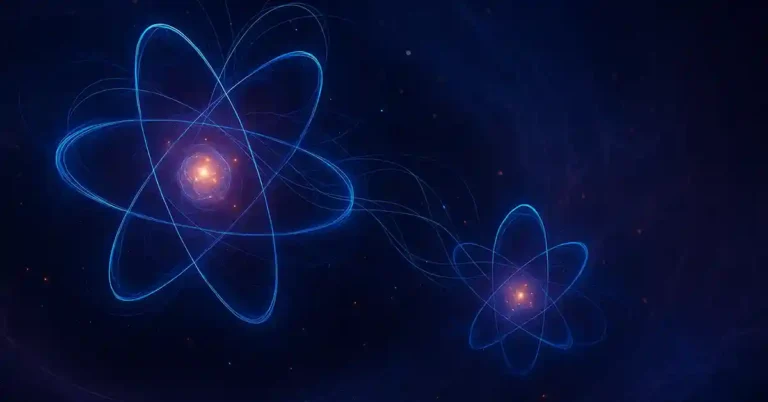
Mirror life refers to a hypothetical organism built from biomolecules with the opposite chirality, or molecular handedness, from normal terrestrial life. A mirror bacterium would not simply look reversed. Its proteins, enzymes and genetic machinery would be assembled from molecular building blocks that are the mirror image of the ones used by ordinary cells.
That matters because biological recognition depends heavily on shape. Enzymes, receptors and immune defenses are adapted to the chemistry life already uses. If a self-replicating organism operated with the opposite handedness, some familiar biological interactions might work poorly or not at all.
Why are scientists discussing it now?
Advances in synthetic biology have made it possible to build increasingly complex biological systems from engineered components. No self-replicating mirror bacterium exists, but the technical path toward more elaborate mirror biology has become easier to imagine. In 2026, researchers and policy groups continued debating whether the potential scientific value is outweighed by the uncertainty surrounding ecological and health risks.
The concern is not that mirror bacteria are known to be dangerous. They do not exist. The concern is that they could interact with natural immune systems and ecosystems in unfamiliar ways. Some scientists argue that this uncertainty is itself a reason to avoid creating self-replicating mirror organisms.
Why could molecular handedness matter for immunity?
Immune systems recognize many biological structures by their three-dimensional shape. A mirror organism might be poorly recognized by some defenses that evolved to detect conventional biology. At the same time, the opposite chemistry could also make it difficult for mirror organisms to use ordinary nutrients or interact with host cells. Researchers therefore emphasize that the exact behavior of a hypothetical mirror bacterium is uncertain.
What research is still considered useful?
Mirror molecules can have legitimate scientific uses without creating a living organism. Chemists and biologists study mirror proteins, enzymes and nucleic-acid components to understand molecular recognition, drug stability and the basic chemistry of life. The sharpest debate centers on crossing the line from individual mirror components to a system capable of reproducing on its own.
The bottom line
Mirror life is best understood as an emerging synthetic-biology question rather than a discovery that has already happened. The science is compelling because it tests some of the deepest assumptions about why life uses the chemistry it does. It is also a good example of a research area where capability can advance faster than confidence about the consequences.
Related on Cosmic Teapot: Explore more emerging science in Science & Discovery, including our explainer on mechanochemistry.
For another frontier in biological computing, read what organoid intelligence is.