What Is a Coolcation? Why Cooler Canadian Destinations Are Growing
For decades, the classic summer vacation was sold through heat: beaches, sunshine and the promise of somewhere warmer than home. Climate extremes are complicating that picture. A growing number of travellers are deliberately looking for mild temperatures, northern landscapes and places where walking outside in July does not feel like an endurance test.
The travel industry has given that shift a catchy name: the coolcation.
What is a coolcation?
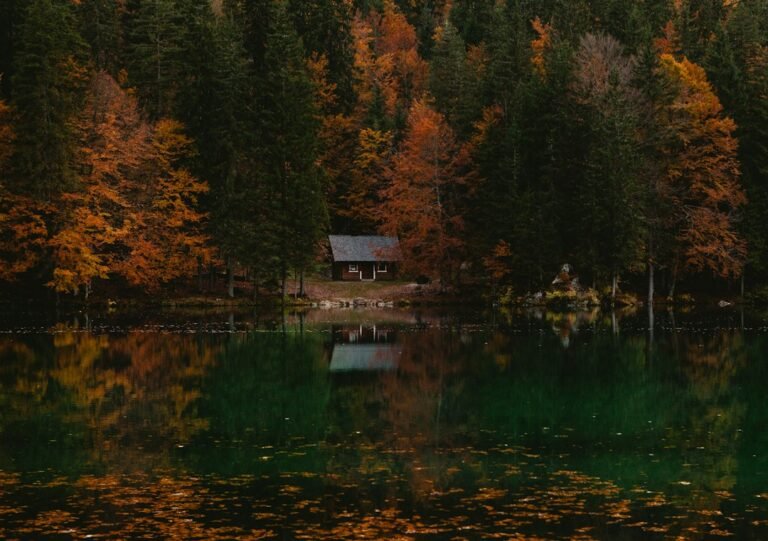
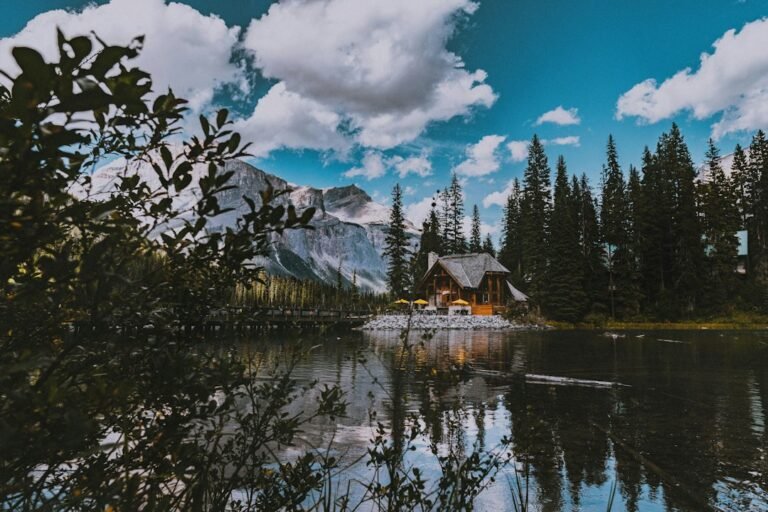
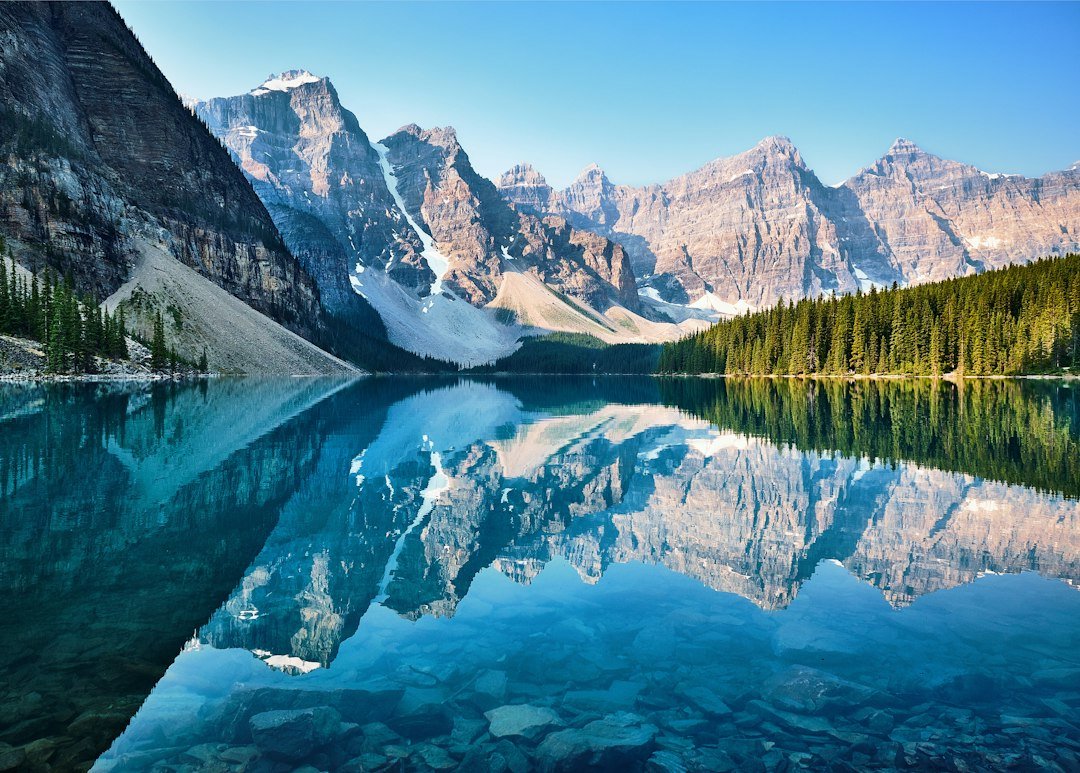
A coolcation is a vacation chosen partly because the destination offers cooler weather than traditional summer hotspots. Instead of Mediterranean heat or tropical beaches, travellers may choose northern coastal regions, mountain towns, Arctic destinations or temperate parts of Canada.
Travelweek reported in April 2026 that searches for cooler destinations had risen sharply year over year, while Canadian tour operators were seeing increased interest in places associated with crisp air, northern scenery and shoulder-season travel.
Why are coolcations growing in 2026?
Heat is the obvious factor. Extreme temperatures can make sightseeing uncomfortable and can disrupt transportation, outdoor attractions and health plans. Travellers who have flexibility may prefer destinations with lower heat risk.
Crowding matters too. Cooler locations are often marketed as alternatives to heavily visited summer cities and beaches. Some travellers are also extending the idea into spring and fall, choosing shoulder seasons for lower prices and fewer people.
Cosmic Teapot has covered related shifts such as the rise of rural travel in Canada and noctourism and night-focused travel.
Why Canada fits the coolcation trend
Canada has an enormous range of cooler-weather destinations: Atlantic coasts, northern cities, mountain regions, Great Lakes communities and subarctic landscapes. For domestic travellers, that can also mean shorter trips without an international flight.
TravelPulse Canada reported in 2026 that climate concerns were reshaping destination demand and noted strong growth in searches for cooler climates. That does not mean every Canadian destination is cool—parts of the country experience severe heat—but it expands the range of places travellers may consider during peak summer.
Is a coolcation just another name for going north?
Not necessarily. Elevation, ocean currents and local weather can matter as much as latitude. A mountain town may be cooler than a city farther north, and coastal fog can keep temperatures mild even within a generally warm region.
The useful idea is climate selection: weather becomes an active part of destination planning rather than an afterthought.
Could the trend create new overtourism problems?
Yes. If large numbers of travellers shift toward a small set of “cool” destinations, those places can inherit the crowding, housing pressure and environmental strain travellers were trying to escape elsewhere.
Some northern communities also have limited infrastructure and sensitive ecosystems. A destination is not automatically prepared for rapid tourism growth simply because its climate has become attractive.
How should travellers think about coolcation planning?
Look at historical temperature ranges, wildfire and smoke risk, transportation resilience and local capacity rather than relying on the label alone. “Cool” does not mean risk-free; northern and mountain regions can have rapidly changing weather.
The bigger change is cultural. Summer travel is no longer automatically a search for maximum heat. As climate patterns become more volatile, comfort and resilience may become selling points alongside sunshine.