Rural Travel in Canada 2026: Why Fall Getaways Are Moving Beyond Cities
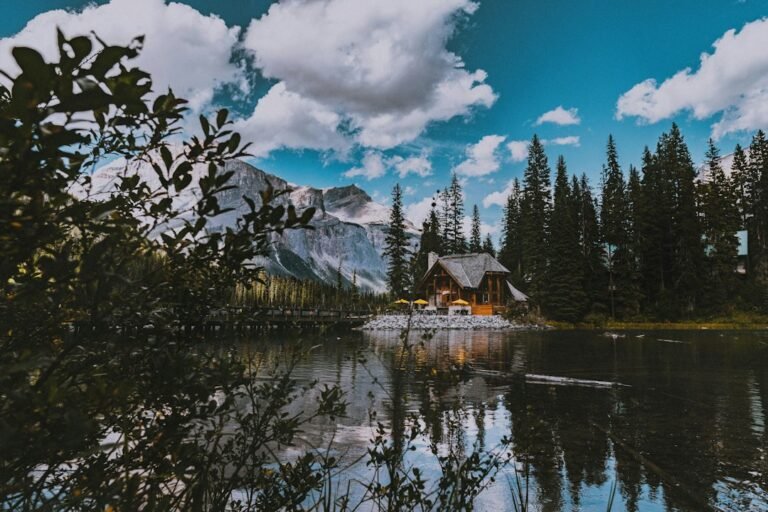
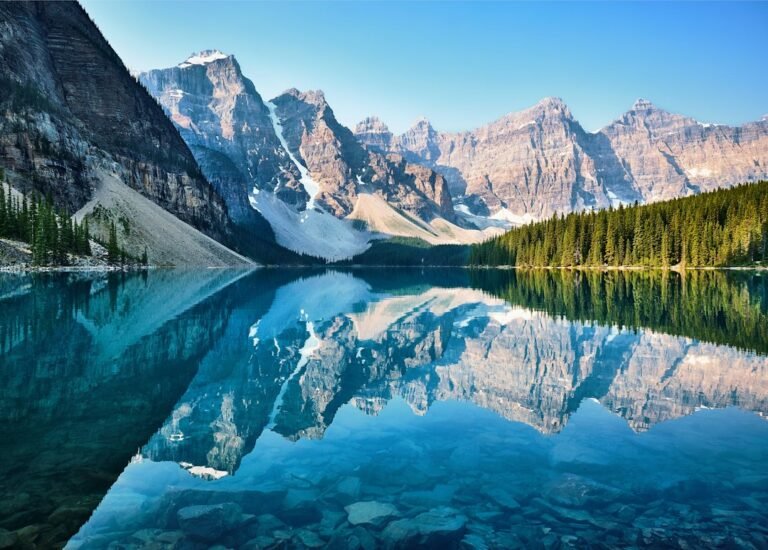
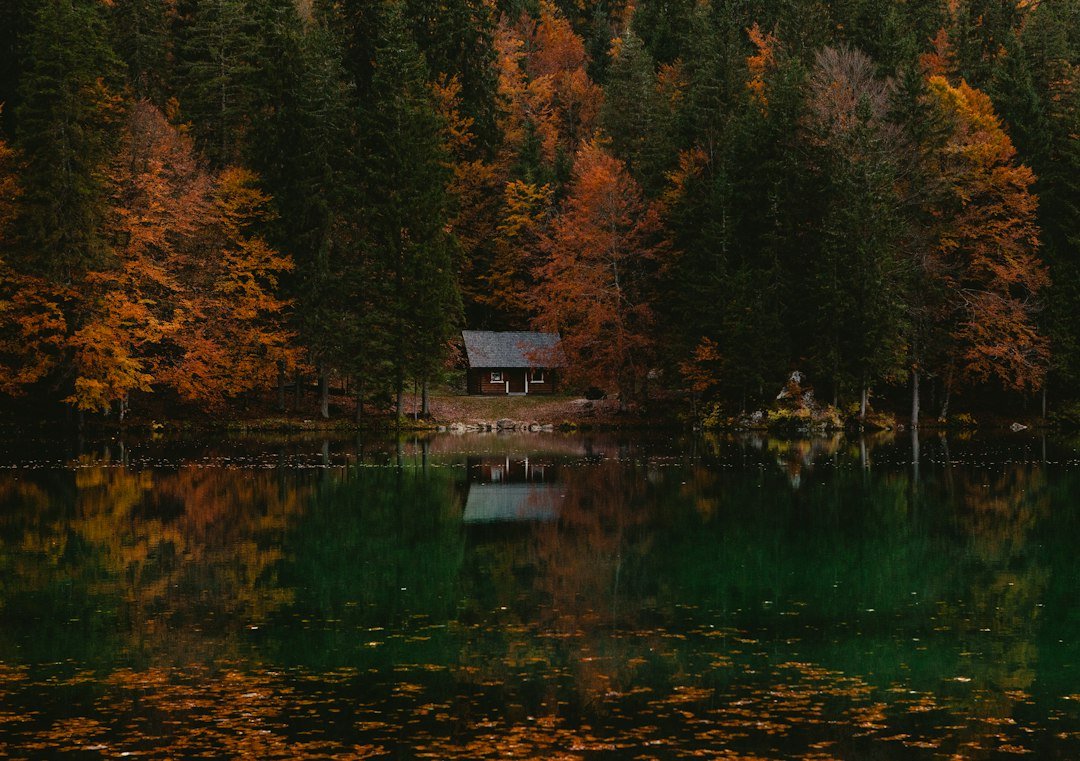
Canadian fall travel is moving away from the usual city-break formula. In 2026, searches for rural stays are rising as travellers look for cabins, small towns, lake country and places where scenery matters as much as a checklist of attractions.
Airbnb reported in September 2026 that searches by Canadians for rural fall destinations were up nearly 30 percent year over year. The trend is especially visible among Gen Z and families, both of whom are showing stronger interest in domestic trips.
Rural travel Canada 2026: why are fall trips growing?
Several forces are working together. Domestic travel can reduce the cost and complexity of a longer international trip, while rural destinations offer a different kind of experience: quieter itineraries, landscape-focused activities and more time spent in one place.
There is also a seasonal advantage. Autumn makes many rural regions especially appealing because of changing leaves, harvest events, hiking weather and fewer peak-summer crowds.
What counts as rural travel?
Rural travel is broader than staying on a farm. It can include cottages, mountain towns, coastal communities, lake regions, small heritage towns and remote landscapes. The common thread is that the destination sits outside a major urban centre and the trip is built around place rather than dense attractions.
That makes it a natural companion to slower travel styles such as the calmcation, where leaving empty space in the itinerary is part of the point.
Why are younger travellers interested?
Airbnb’s Canadian data found that domestic fall searches were up nearly 40 percent among Gen Z travellers. Many of the destinations gaining attention combine small-town amenities with dramatic nearby landscapes: coastlines, lakes, foothills or forest trails.
That is a useful clue about what rural travel means in practice. Travellers are not necessarily looking for isolation. They may want a walkable town, local food, a comfortable place to stay and easy access to scenery without the pace of a large city.
How rural travel changes the trip
A city itinerary often rewards efficiency: museums, restaurants, landmarks and neighbourhoods packed into a limited number of days. Rural trips tend to work differently. Driving time, weather and distance between attractions make it more useful to choose fewer activities and spend longer at each one.
That can produce a different rhythm: one hike, one market, one long meal and an evening without much planned. For travellers already drawn to noctourism, rural settings can also offer dark skies, stargazing and night landscapes that cities cannot easily provide.
What makes the 2026 trend worth watching?
The important part is not that rural tourism is new. It is that more domestic travellers appear to be choosing it intentionally. If the pattern continues, small communities may see more shoulder-season tourism rather than relying almost entirely on summer peaks.
That can bring benefits to local cafes, galleries, guides and accommodation providers, but popular rural destinations can also face pressure on housing, roads and sensitive landscapes. Growth works best when visitors treat communities as places people live, not just scenery.