What Is Collectible Design? Why Functional Art Is Drawing Younger Collectors
A chair can be something you sit on, a sculpture you look at, or both. That overlap is the territory of collectible design: limited-edition, one-off or highly authored objects that still have a relationship to function. In 2026, the category is getting fresh attention as younger collectors look beyond mass-produced interiors and toward pieces with visible craftsmanship, provenance and personality.
What is collectible design?
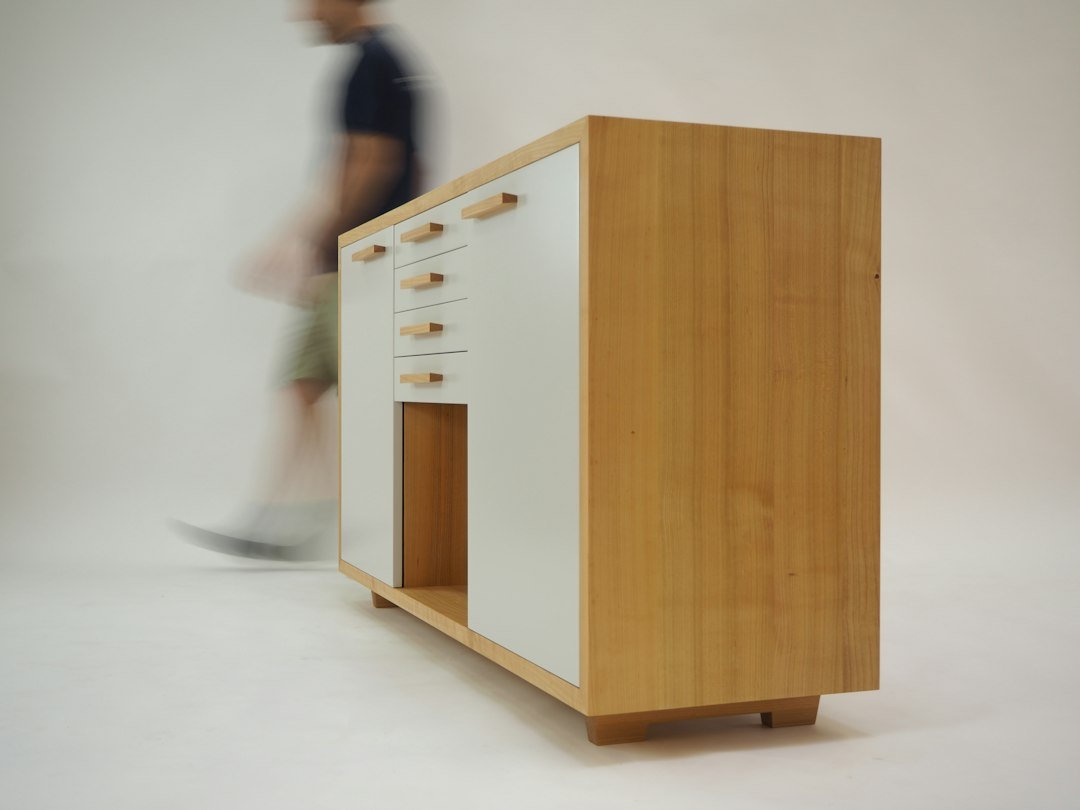
Collectible design describes contemporary furniture, lighting, ceramics and objects that are treated more like art than ordinary retail products. Pieces are often made in small editions or as unique works, and the designer’s authorship matters as much as utility. A collectible chair may still be usable, but its material choices, fabrication process and cultural context are part of what gives it value.
The term overlaps with functional art, though the boundaries are loose. Functional art emphasizes use plus artistic expression, while collectible design often adds rarity, provenance, exhibition context and a collector market.
Why is collectible design growing in 2026?
Several recent signals point to broader interest. The COLLECTIBLE fair in Brussels reported more than 100 exhibitors in 2026, while its New York edition is returning in November. The Financial Times has also reported on a younger generation of gallerists attracting buyers who are less interested in rigid distinctions between art, craft and design.
That matters because the design market is shifting away from a single idea of prestige. A younger buyer may care about the story of a material, the maker’s process or the uniqueness of an object more than a famous historical name.
Why functional objects can feel more personal
Unlike a painting that remains on a wall, a table, lamp or bowl becomes part of everyday life. Collectible design can therefore create an unusually intimate relationship between object and owner. A piece can be touched, moved and used while still carrying the identity of its maker.
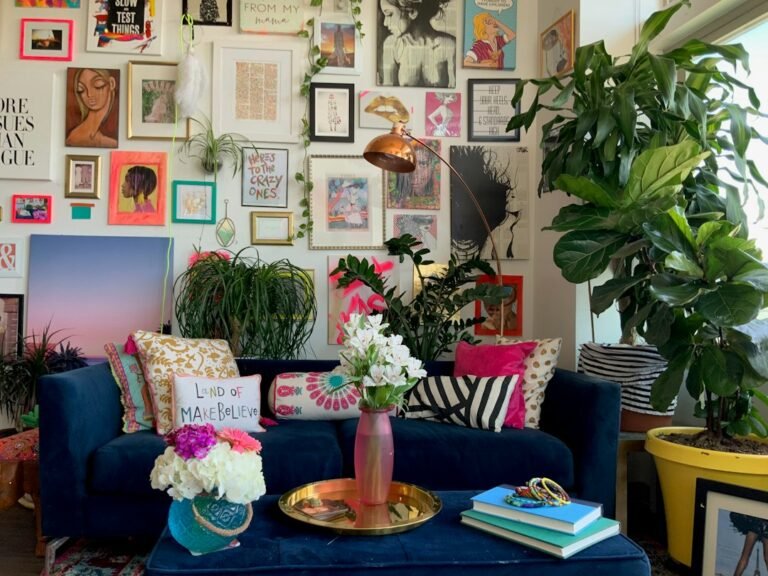
This interest also fits a wider reaction against interiors that look copied from the same feed. Cosmic Teapot has already explored that impulse in anti-algorithm interior design, where personal history and irregularity become part of the appeal.
Is collectible design always expensive?
No, but rarity and labor can make it costly. The category ranges from emerging makers selling small editions to museum-level work priced for major collectors. The important distinction is not a minimum price; it is that the object is valued for authorship, material experimentation and limited availability rather than only for mass-market function.
That also means small studios can matter. Digital platforms have made it easier for collectors to discover independent designers before they are represented by major galleries.
Craft, imperfection and the move away from sameness
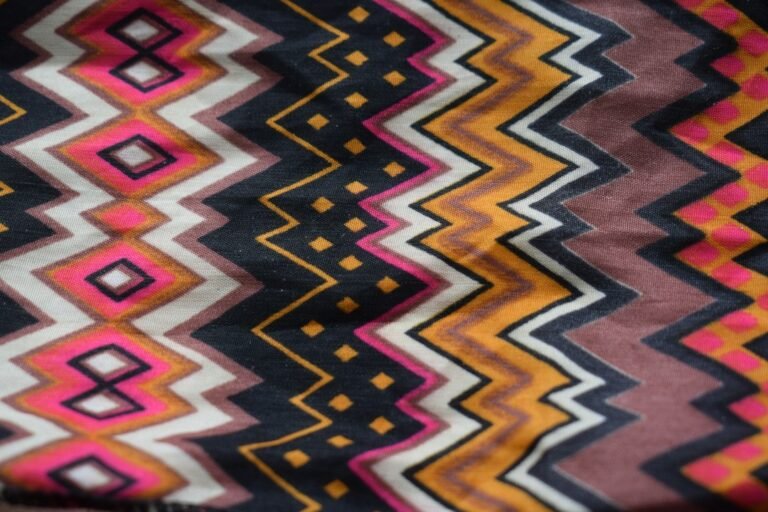
Collectible design shares DNA with other 2026 design trends that emphasize texture, craft and visible history. The return of flamestitch, for example, reflects a similar desire for surfaces and objects that feel made rather than generated from a universal template.
The result is not simply maximalism. It is a preference for objects that reward a closer look: a hand-finished edge, an unusual resin, a locally sourced material or an experimental fabrication technique.
The bottom line
Collectible design turns everyday objects into a meeting point between function and artistic authorship. Its 2026 momentum suggests that more people are looking for design with a story, especially as mass-produced aesthetics become easier to copy and algorithmically repeat.