What Are Mycelium Materials? How Designers Are Growing Objects From Fungi
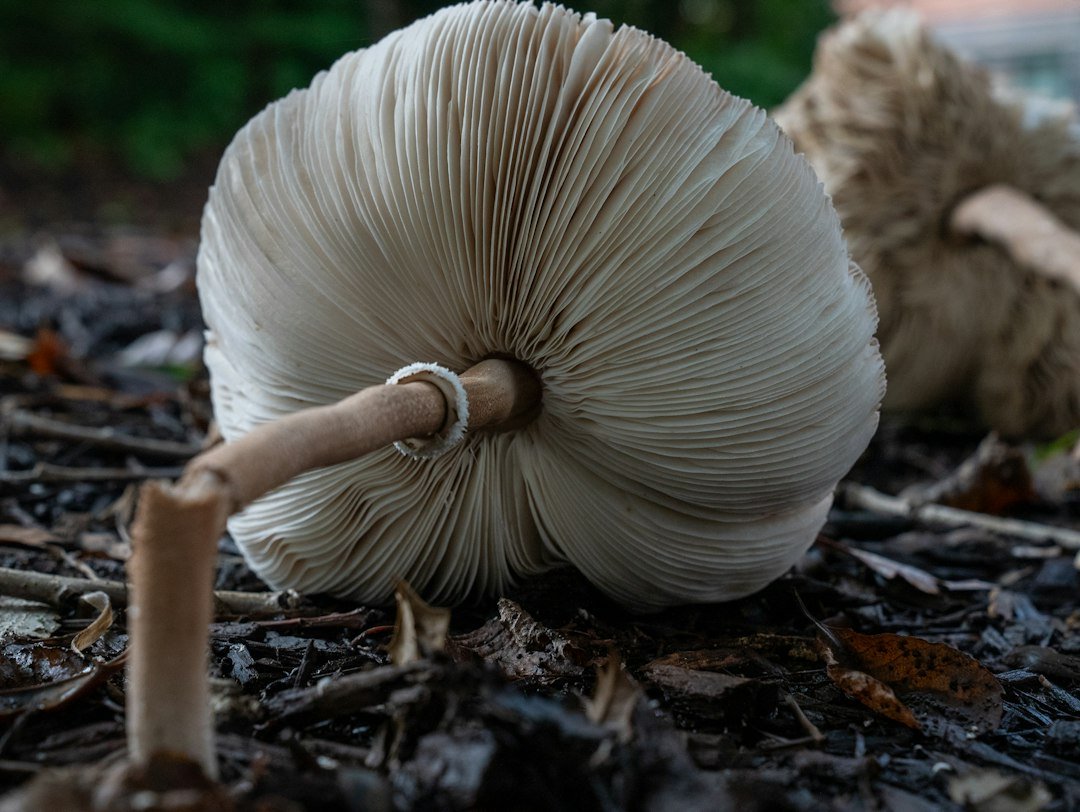
Mycelium materials are made by using the thread-like network produced by fungi to bind loose plant matter into a solid form. Designers and materials researchers are exploring the process for packaging, insulation, furniture and other products that traditionally rely on foams, plastics or composites.
What are mycelium materials, and how are they grown?
A fungus is introduced to a feedstock such as agricultural residues, sawdust or other plant fibers. As the mycelium grows, it forms a network through the material and binds the particles together. The object can be grown in a mold and then dried or heated to stop further growth.
Why are designers interested?
The manufacturing process can use low-value biological residues and comparatively low temperatures. The finished material can also have useful acoustic, insulating or cushioning properties depending on how it is grown and processed.
Where are mycelium materials being used?
- Protective packaging.
- Acoustic and decorative panels.
- Experimental furniture.
- Building insulation and composites.
- Prototype fashion and product-design components.
What are the challenges?
Biological materials can vary more than standardized petrochemical products. Moisture resistance, durability, fire performance, scale and cost all depend on formulation and processing. Recent 2026 reviews emphasize the need for clearer testing standards as commercial interest grows.
The bottom line
Mycelium materials are interesting because they blur the line between growing and manufacturing. They are not a drop-in replacement for every material, but they offer designers a different way to think about where products come from and what happens after use.
Explore more in Arts & Design.
More on mycelium materials and sustainable design
For related design and sustainability topics, read why anti-algorithm interior design is growing and how sponge-city design manages heavy rain.