How Ancient DNA Is Rewriting Family Trees and Migration Stories
Ancient DNA has transformed the study of the human past. Tiny fragments preserved in teeth and bones can reveal biological relationships, population movements and ancestry patterns that archaeology or written documents alone may not show.
Why is ancient DNA difficult to study?
DNA breaks down after death. Heat, moisture, microbes and time fragment genetic material, while modern contamination can easily overwhelm the small amount that survives. Specialized clean laboratories and statistical methods are therefore essential.
What can researchers learn?
- Whether people buried together were close biological relatives.
- How populations moved and mixed across regions.
- Changes in ancestry through time.
- Some traits and disease-related genetic variants.
- Relationships between archaeological cultures that material objects alone cannot resolve.
How is the field changing history?
Genetic evidence has complicated older stories in which archaeological cultures were assumed to correspond neatly to separate peoples. In many regions, researchers now see repeated migration, intermarriage and local continuity occurring together.
What can DNA not tell us?
Genes do not reveal a person’s language, identity, beliefs or culture by themselves. Biological relatedness is only one layer of history. Ethical questions about sampling, descendant communities and ownership of human remains are also central to modern ancient-DNA research.
The bottom line
Ancient DNA is powerful because it adds a new source of evidence to archaeology, not because it replaces archaeology. The most convincing histories combine genetics with material culture, geography, written sources and community knowledge.
More on ancient DNA family trees and everyday history
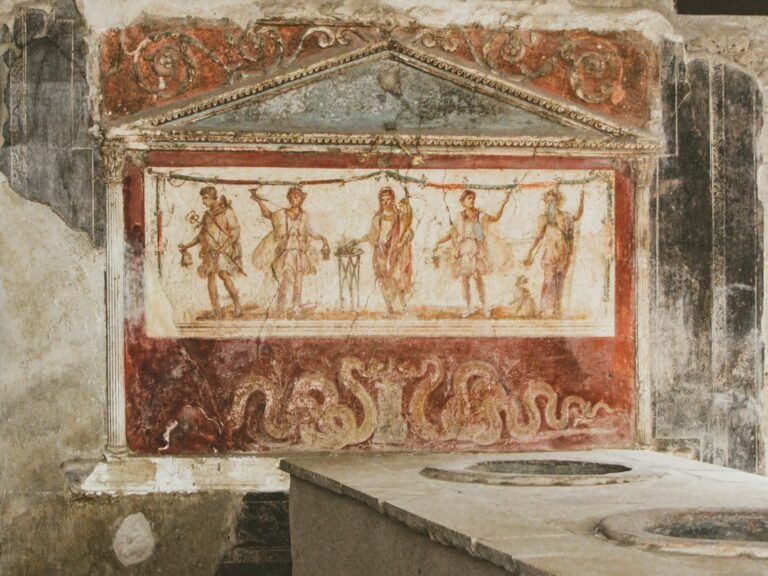
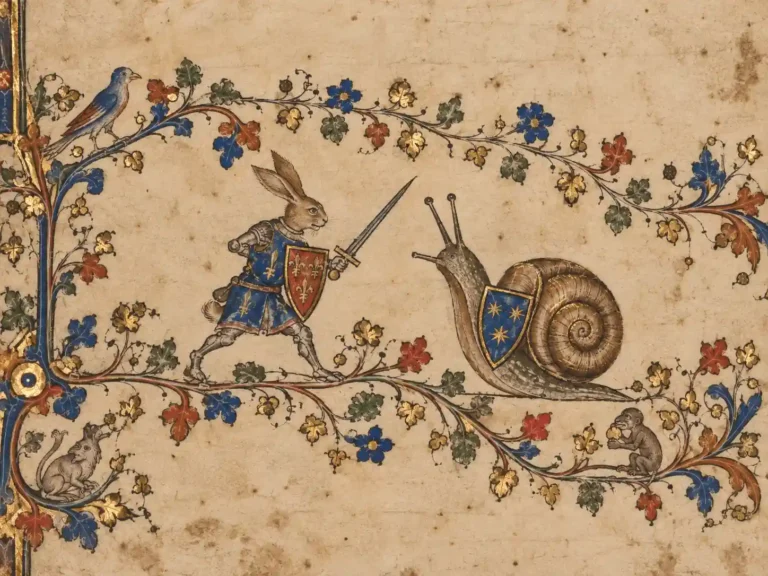
For other ways researchers reconstruct the past, read what Pompeii graffiti reveals about everyday Roman life and why medieval manuscripts contain strange marginal drawings.