What Ancient Graffiti Tells Us About Everyday Life in Pompeii
Ancient graffiti in Pompeii gives historians something formal inscriptions rarely do: unfiltered traces of ordinary people. Scratched and painted messages preserve names, jokes, boasts, advertisements, political endorsements and fragments of everyday social life.
Pompeii graffiti everyday life: why so much writing survives
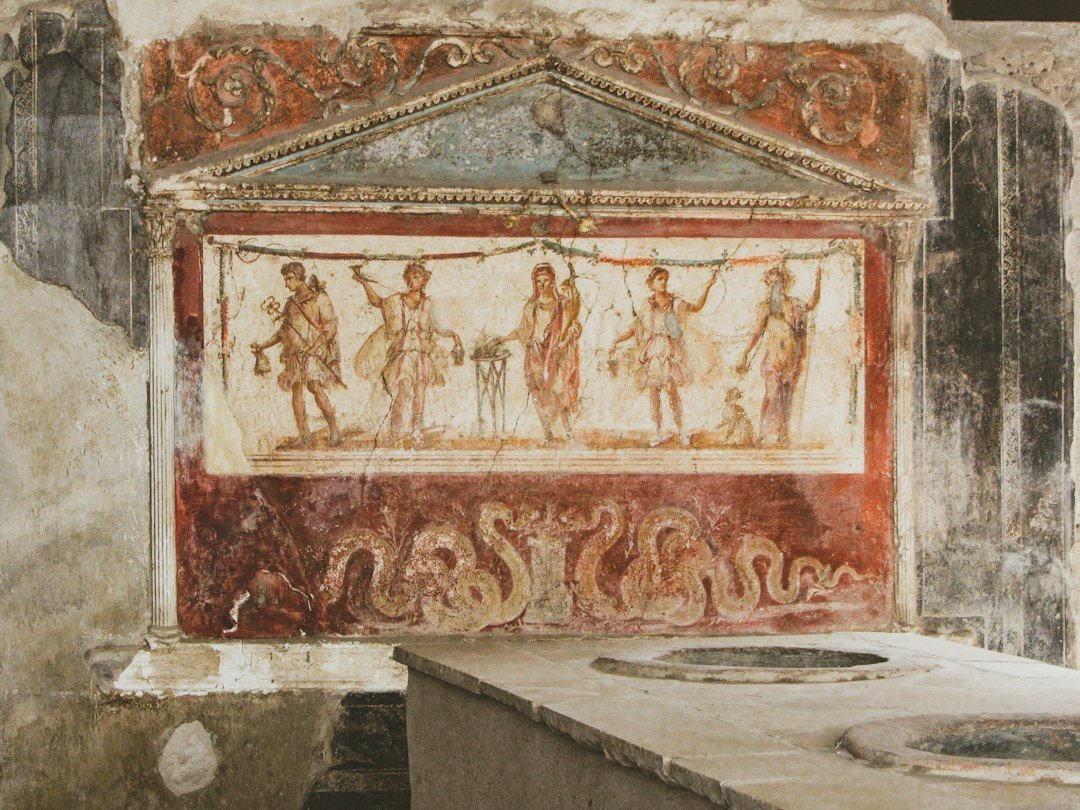
When Mount Vesuvius erupted in AD 79, buildings and streets were buried rapidly. That disaster preserved walls that would otherwise have been repainted, demolished or weathered away. The result is an unusually rich record of informal writing in homes, shops, public buildings and streets.
What did people write?
Pompeian wall writing ranges from simple “I was here” messages to election notices, romantic declarations, insults, accounts and comments about entertainment. Some texts were professionally painted while others were scratched into plaster by hand.
Why graffiti matters to historians
- It shows literacy being used outside elite literature.
- It identifies names and social networks that may not appear in official records.
- It captures political campaigning at street level.
- It reveals humor, irritation and affection in language closer to daily speech.
What researchers are doing now
Digital projects increasingly photograph, map and transcribe graffiti so inscriptions can be studied in their physical context. That matters because a message beside a doorway, tavern or campaign notice can mean something different from the same words considered in isolation.
The bottom line
Pompeii’s graffiti turns ancient history into something strikingly familiar: people wanted to leave marks, make jokes, promote candidates and tell others what they thought. Explore more stories in History.
More on Pompeii graffiti and reconstructing everyday history
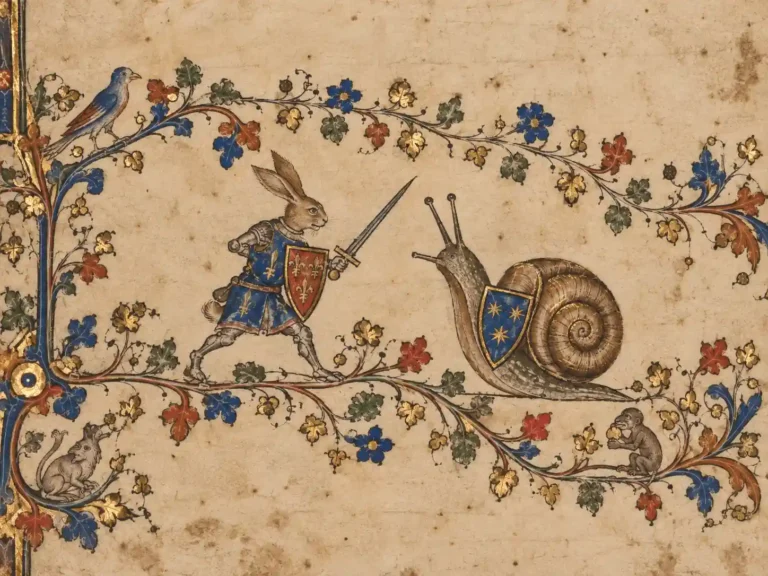
For related history, read why medieval manuscripts contain strange marginal drawings and how ancient DNA is rebuilding family trees and migration stories.