The Third Place Revival in 2026: Why Offline Community Spaces Are Growing
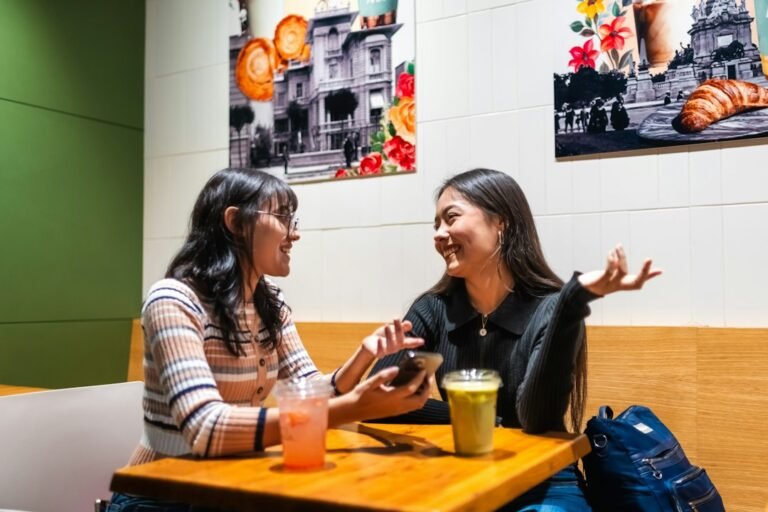
Home is the first place. Work or school is the second. The third place is everything in between: the cafe, library, park, community centre, bookstore or club where people can spend time without the formality of an invitation into someone’s home.
In 2026, the phrase third place revival is appearing more often as people look for recurring, low-pressure ways to meet offline.
Third place revival 2026: why are offline spaces growing?
The third place revival describes renewed interest in physical spaces that make casual social connection easier. The concept itself is not new. Sociologist Ray Oldenburg popularized “third place” in the late twentieth century, but the idea has gained new relevance after years of remote work, digital socializing and concern about loneliness.
What makes a good third place?
A strong third place is easy to return to, does not require elaborate planning and allows people to be present without performing a formal role. Regulars may recognize one another even if they are not close friends. That repeated contact is important because friendships often grow from familiarity rather than one dramatic meeting.
This helps explain why the topic connects so closely with the friendship recession. When adults have fewer built-in opportunities for repeated contact, the spaces that create it become more valuable.
Why are offline spaces getting renewed attention?
Digital tools make coordination easier, but they do not fully replace being somewhere with other people. A reaction against constant screen time is showing up across several 2026 trends, from analog hobbies to deliberate in-person experiences.
Some third places are traditional: libraries, parks and cafes. Others are more specialized, including run clubs, repair cafes, craft nights and listening bars. What they share is recurring physical presence.
Why libraries matter to the trend
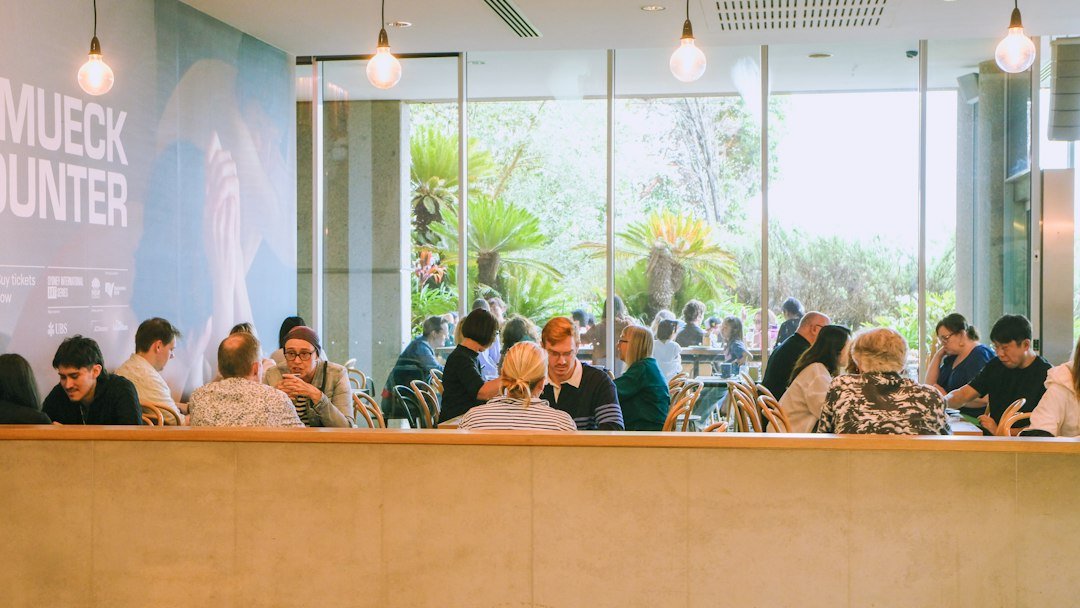
Libraries are especially interesting because they can provide one of the few indoor public spaces where spending money is not required. Many modern libraries also host workshops, clubs, study areas, maker spaces and events, making them closer to community living rooms than silent book warehouses.
Can commercial spaces be third places?
Yes, though access matters. Cafes, bookstores and bars can support community, but a space becomes less inclusive when staying there requires frequent purchases. The healthiest social landscape usually includes a mix of public, nonprofit and commercial gathering places.
Why the revival matters
The third place revival is less about nostalgia than infrastructure. Friendship and community become easier when the environment creates repeated opportunities to see the same people. That is difficult to reproduce through occasional planned events alone.
It also connects with screen-free hobbies, where the attraction is often not just the activity but the social setting around it.
The bottom line
Third places are the informal spaces between home and work where community can grow through repetition. Their renewed visibility in 2026 reflects a larger search for offline connection, especially as digital convenience makes spontaneous in-person interaction less automatic.