Why Do Mammals Glow Under UV Light? Biofluorescence Explained
Many mammals glow under ultraviolet light, from platypuses to rodents. Researchers now know the phenomenon is widespread, but its biological role remains uncertain.
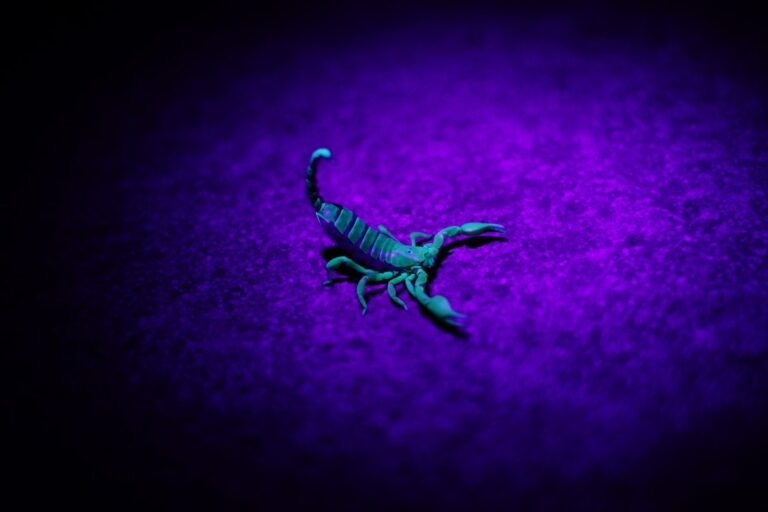
Many mammals glow under ultraviolet light, from platypuses to rodents. Researchers now know the phenomenon is widespread, but its biological role remains uncertain.

Coolcations swap extreme summer heat for milder destinations. In 2026, Canadian and northern locations are seeing new interest from heat-avoiding travellers.
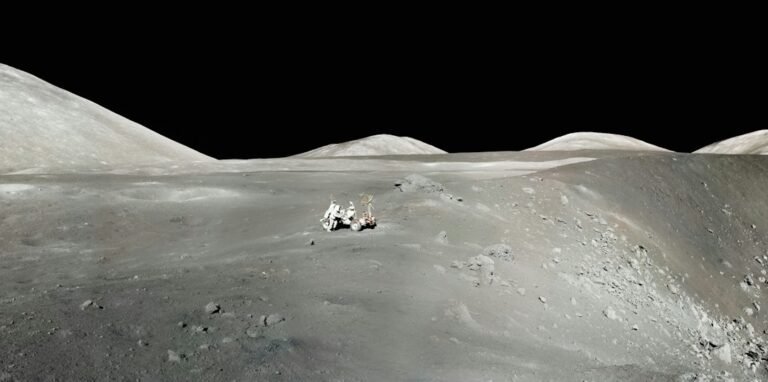
Lunar regolith could be sintered or 3D-printed into building blocks for Moon habitats. New 2026 research is testing how practical that idea might be.

Quantum accelerometers and atom interferometers could help vehicles navigate when GPS is unavailable. Here is what quantum navigation can—and cannot—do.
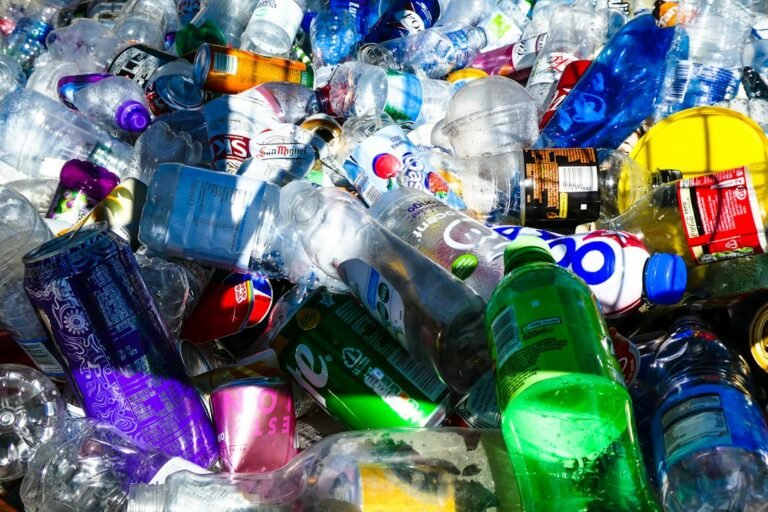
Vitrimers are cross-linked polymers whose bonds can rearrange, allowing durable materials to be reshaped or recycled. Here is why researchers are excited about them.

Digital legacy planning decides what should happen to online accounts, photos, subscriptions and digital files after death or incapacity. Here is the basic idea.

Chronoworking lets people align work hours with their natural circadian rhythms instead of a fixed 9-to-5. Here is why the idea keeps resurfacing in 2026.

Upcycled food ingredients turn peels, pulp, spent grain and other food side streams into useful products. Here is how the growing 2026 trend works.
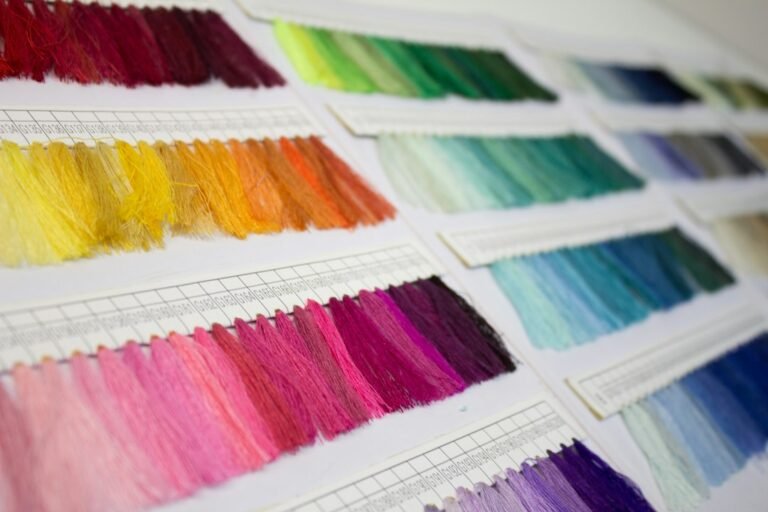
Bacterial pigments could offer designers a lower-impact alternative to some synthetic dyes. Here is how microbes make color and why biodesigners are interested.

Walking football bans running and reduces contact, making soccer more accessible to older adults. The sport is now expanding rapidly across Europe and beyond.