Skimming vs. Scanning Research Papers: An Academic Reading Guide
Learn when to skim or scan a research paper, which sections to read first and how to find methods, evidence and limitations without sacrificing comprehension.
Rapid Learning explores evidence-informed study methods, memory techniques, reading, comprehension, practice, and strategies for learning more effectively.

Learn when to skim or scan a research paper, which sections to read first and how to find methods, evidence and limitations without sacrificing comprehension.

Forgot where you put your keys or glasses? Learn how distraction affects memory encoding and try a practical routine for finding and remembering objects.

Practise the King Henry metric-prefix ladder with 20 free conversion exercises, step-by-step answers and a print-friendly worksheet.

Measure your reading speed and comprehension with a short sample passage, five questions, scoring guide and a practical progress tracker.
Troubleshoot PAO memory mistakes, including similar images, reversed person-action-object order, overloaded memory palaces and weak recall.

Build a Major System PAO hybrid step by step, choose phonetic number cues, prevent duplicate images, and encode six digits in one scene.

Practice 30 two-digit Major System number codes, check a complete answer key and try three six-digit memory sequences.
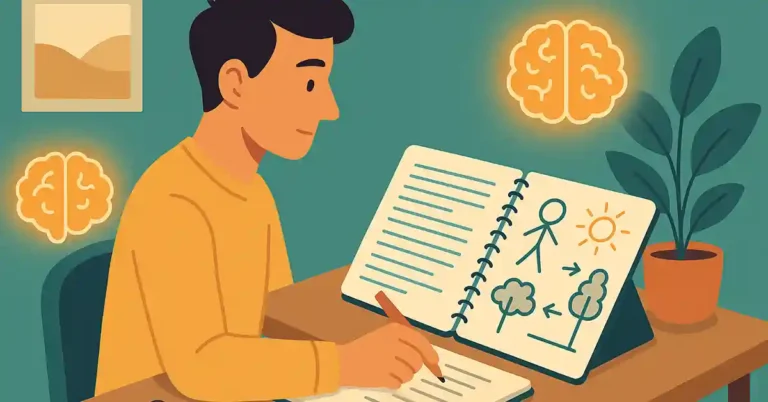
Picture me, a grown-up with coffee in one hand and a stack of plain, boring notes in the other. Now picture those notes magically morphing into bright sketches, stick-figure timelines, and color-coded arrows that practically beg my brain to remember them. That, my friends, is the dual coding study strategy in action—mixing words and images…
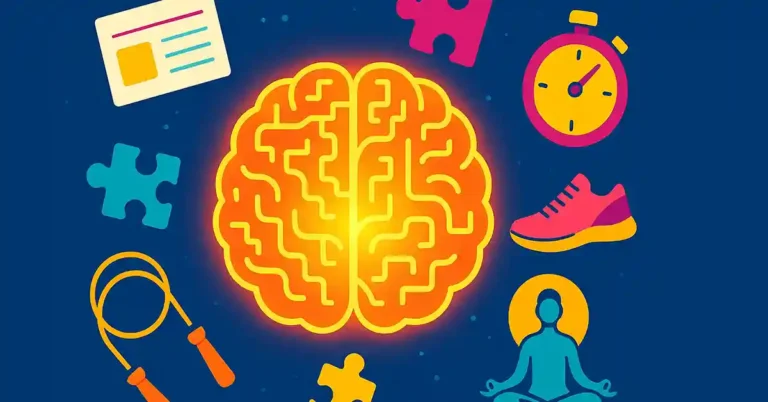
Ever walk into the kitchen, open the fridge, and instantly forget why you’re there? I do it so often I’ve named the phenomenon “Fridge-nesia.” The good news: short-term memory (STM) isn’t set in stone. Like biceps, it gets stronger with targeted reps—only your curls are mental instead of metallic. Below are seven fun, research-supported exercises…

Spoiler: you don’t outgrow the itch to learn—you just need better toys. Below are nine science-supported activities I’ve tested (sometimes on myself) that make adult learning stick, feel fun, and fit a busy schedule. 1. Micro-Learning Bursts When my attention span feels shorter than an espresso shot, I lean on micro-learning—5- to 10-minute lessons delivered…