Streaming Music Discovery in 2026: How Recommendations Shape What We Hear
Finding new music used to depend heavily on radio, record stores, magazines and friends. Those routes still matter, but streaming recommendations now sit near the centre of music discovery. In 2026, YouGov found that among Americans who said they were listening to more music than a year earlier, 59 percent discovered new music through streaming-service recommendations.
Streaming music discovery 2026: how do recommendations work?
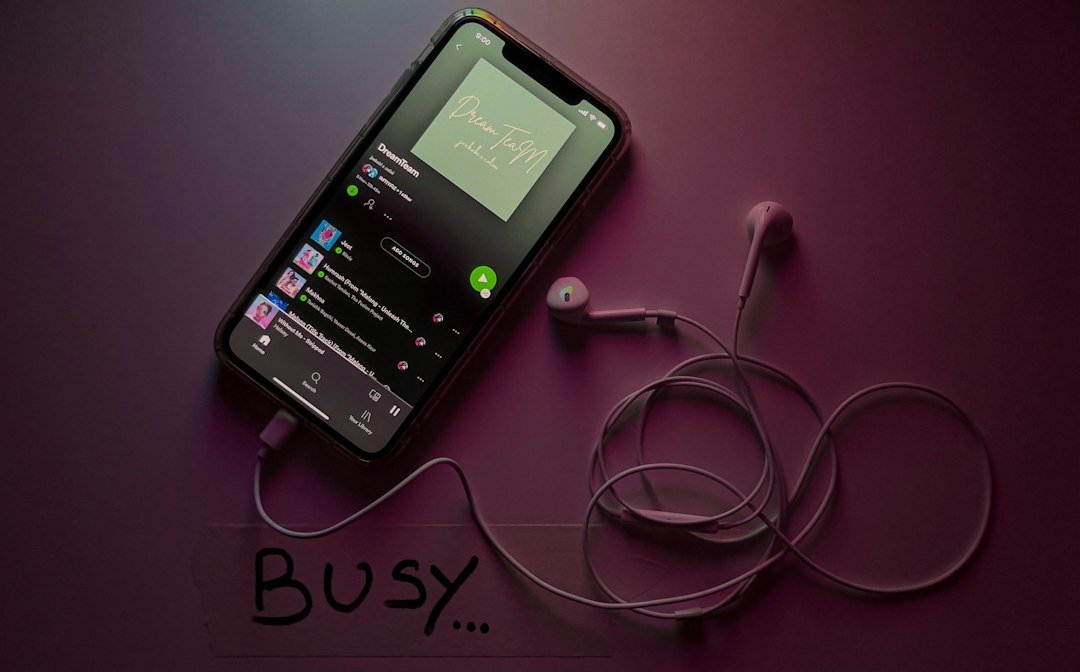
Streaming platforms learn from signals such as what you play, skip, save, replay and add to playlists. They also compare your listening patterns with those of other users and with information about songs themselves. The result is a recommendation system that can surface artists you have never searched for directly.
That convenience has a major advantage: discovery no longer requires knowing what to look for. A listener can start with one song and move through a chain of related tracks with almost no friction.
Why recommendations are so powerful
Recommendation systems arrive at exactly the moment when listeners face overwhelming choice. Millions of tracks are available, but attention is limited. A useful recommendation reduces that choice to a manageable next step.
YouGov’s 2026 data also showed that social media, music blogs, friends and family remain important. Streaming is therefore not replacing every other discovery channel; it is becoming the layer that connects them.
Can algorithms narrow musical taste?
They can. A system trained to predict what you are likely to enjoy may keep returning to familiar tempos, genres or artists. That creates a tension between relevance and surprise. The same question appears in other recommendation systems, which is why Cosmic Teapot’s explainer on algorithmic monoculture is useful background.
A recommendation engine is successful when it predicts a click or listen. A listener may define successful discovery differently: finding something unexpected that changes their taste.
Why human curation still matters
Playlists made by editors, DJs, critics and friends can introduce context that pure behavioral prediction may miss. A person can explain why two songs belong together, connect a new artist to a scene or deliberately choose something that breaks a pattern.
That helps explain the appeal of spaces built around deliberate listening. Listening bars, for example, turn curation into a physical experience where someone else chooses what deserves attention.
What this means for artists
For musicians, discovery is increasingly shaped by systems they do not fully control. Playlist placement, recommendation signals and listener behavior can influence whether a track reaches new audiences. At the same time, direct fan relationships remain valuable, especially as the superfan economy grows.
The bottom line
Streaming recommendations make musical exploration easier, but they also shape the path listeners take through an enormous catalogue. The best discovery ecosystem probably combines algorithms for scale with human curiosity for surprise.