Plant Molecular Farming vs. Precision Fermentation
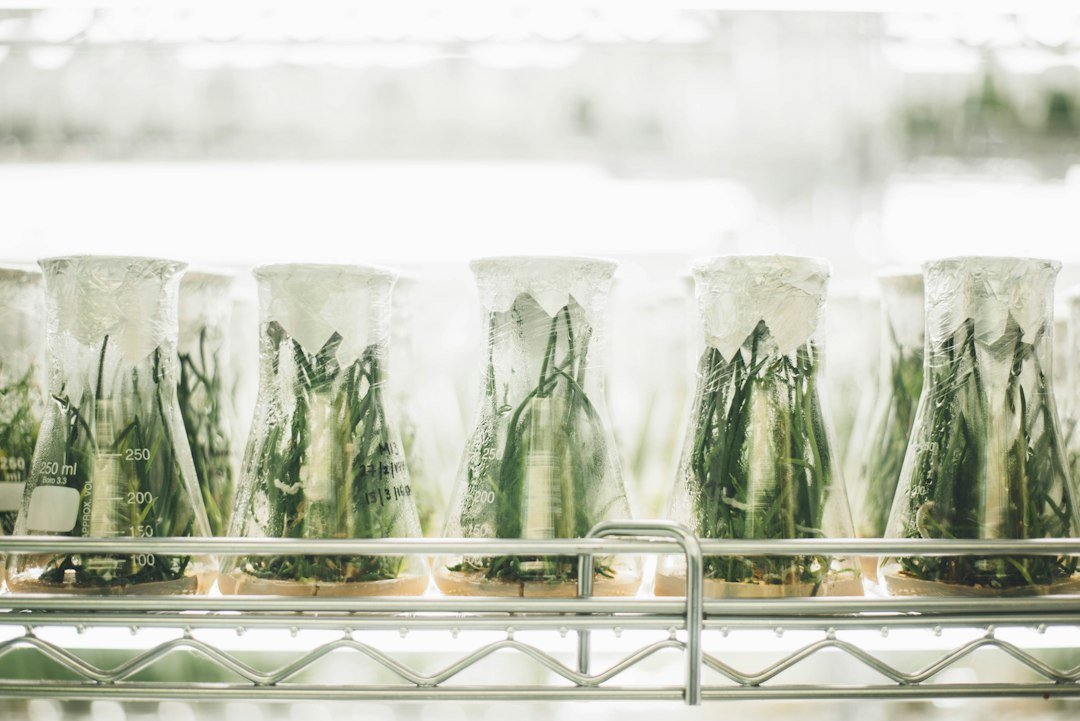
Plant molecular farming vs. precision fermentation: both can use biotechnology to make carefully specified proteins, but the production host is different. Plant molecular farming employs whole plants or plant cell cultures as biological factories. Precision fermentation typically uses engineered microorganisms—such as yeast or bacteria—grown in controlled fermentation equipment to make a targeted product.
The distinction helps explain different challenges in scale, purification, quality control and food or pharmaceutical applications. Start with Cosmic Teapot’s plant molecular farming guide and precision fermentation explainer for the individual technologies.
Comparison: Plant Host vs. Microbial Host
| Factor | Plant molecular farming | Precision fermentation |
|---|---|---|
| Production host | Whole plants or plant cell cultures | Yeast, bacteria or other microbial cells |
| Where growth occurs | Fields, greenhouses or controlled plant cultures | Bioreactors and fermentation vessels |
| Product examples | Recombinant vaccines, antibodies, research reagents | Target proteins, enzymes, fats and other ingredients |
| Key production controls | Expression, cultivation, harvest and extraction | Strain design, fermentation, recovery and purification |
| Key challenge | Variable expression and downstream purification | Fermentation scale, feedstocks and recovery economics |
These examples are not exclusive. Plant systems also support food-related research, and microbial systems manufacture pharmaceutical products. The product, quality requirement and regulatory pathway determine which host is appropriate.
How Plant Molecular Farming Works
- Researchers choose a plant species or plant cell platform capable of expressing the target molecule.
- They introduce genetic instructions through a stable transformation or a temporary expression strategy.
- The plants or cells grow under managed conditions and synthesize the target protein.
- The producer harvests material, extracts the molecule and purifies it if the intended use requires purification.
- Identity, activity, impurities and batch consistency are measured before further use.
A July 2026 review in npj Science of Plants discusses plant-produced vaccines, therapeutics and diagnostics, as well as why the technology has not yet achieved the market share its research history might suggest.
How Precision Fermentation Works
In precision fermentation, an engineered microbial strain is selected to produce a specific substance, often a protein. Cells grow in a controlled medium inside a bioreactor, using carbon and other nutrients. Operators monitor conditions such as pH, oxygen, temperature and nutrient supply. After production, the target is recovered and processed for the intended application.
A 2026 review of next-generation precision fermentation emphasizes integrated strain design, bioprocess control and downstream manufacturing rather than treating the technology as just an interesting laboratory organism.
Why the Same Protein May Behave Differently
The manufacturing host can affect how a protein folds and which chemical modifications are attached to it. Many therapeutic proteins need tightly specified structures or glycosylation patterns. Plant and microbial systems may require different engineering approaches to meet those requirements.
Even where two hosts make a molecule with the same amino-acid sequence, they are not automatically interchangeable for safety or regulatory purposes. Purity, biological activity, contaminants and reproducibility still need verification.
Is One Method More Sustainable?
Environmental performance depends on the complete production process. Plant production can avoid some conventional bioreactor requirements, but greenhouse energy, irrigation, cultivation, extraction and losses matter. Microbial fermentation uses highly controlled vessels, yet requires energy, nutrients, cleaning and sometimes extensive purification.
A fair comparison would express impacts per unit of usable purified product, not per kilogram of biomass. It should also account for differing quality requirements and regulatory specifications.
Where Each Platform May Have an Advantage
Plant platforms can be useful when a molecule can be expressed efficiently in plant tissue and the cultivation/purification pathway suits the intended product. Fermentation platforms can offer tightly regulated indoor processes and established microbial engineering methods. The optimal choice varies across vaccines, industrial enzymes and alternative food ingredients.
A 2026 Process Biochemistry review discusses how plant molecular farming is moving from molecular design toward industrial implementation and the importance of purification workflows.
Five Questions to Ask Before Comparing Costs
- What is the precise target molecule, and how pure must it be?
- How much product is recovered per growing or fermentation cycle?
- Which host-specific modifications affect quality?
- What happens to waste biomass, culture medium and processing chemicals?
- Is the study demonstrating a working production system or only a promising prototype?
Frequently Asked Questions
Does plant molecular farming mean ordinary crop farming?
No. It refers to using plants or plant cell cultures to manufacture targeted compounds, often through genetic engineering.
Is precision fermentation the same as making yogurt?
No. Traditional fermentation can produce food through microbial activity, but “precision fermentation” commonly refers to designed cell factories producing a defined molecule.
Can both systems make the same protein?
Sometimes, but host-related chemistry, purification and regulatory suitability may differ.
Research: Plant Molecular Farming (2026); Plant Biomanufacturing Review (2026); Next-Generation Precision Fermentation (2026).