What Are Bacterial Pigments? How Designers Are Growing Color
Bacterial pigments could offer designers a lower-impact alternative to some synthetic dyes. Here is how microbes make color and why biodesigners are interested.

Bacterial pigments could offer designers a lower-impact alternative to some synthetic dyes. Here is how microbes make color and why biodesigners are interested.

Walking football bans running and reduces contact, making soccer more accessible to older adults. The sport is now expanding rapidly across Europe and beyond.

Cozy science fiction keeps the speculative wonder but lowers the stakes. Here is how the emerging subgenre differs from cozy fantasy and traditional sci-fi.

Paleoproteomics studies ancient proteins preserved in bones, teeth, pottery and other remains. It can reveal species, diets and relationships when DNA is gone.

Solar grazing uses sheep to manage vegetation beneath solar panels. Here is how the practice works, why it is growing, and where its limits are.

Epistemic vigilance is the set of mental checks we use to judge claims and sources. Learn why the idea matters in an era of AI-generated information.
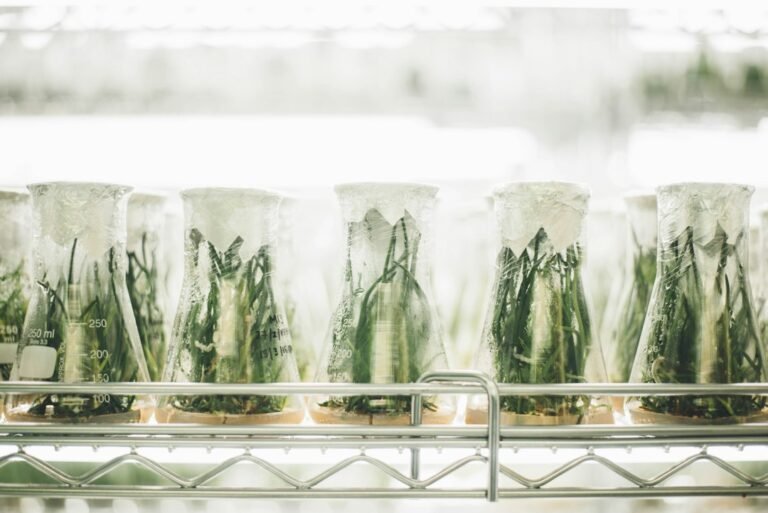
Plant molecular farming uses plants to produce high-value proteins and other molecules. Learn how the technology works and why it is drawing renewed interest in 2026.

Third places are social spaces outside home and work. Learn why cafes, libraries, clubs and other offline gathering spaces are getting renewed attention in 2026.

Attention residue is the mental carryover from one task into the next. Learn what research says about task switching, unfinished work and focus.

Quiet fantasy emphasizes gentle magic, character relationships and lower stakes. Learn how it overlaps with cozy fantasy and why the label is growing in 2026.