QTC Sensor With Arduino: Voltage Divider and Calibration
Learn how to read a QTC pressure sensor with an Arduino voltage divider, calculate sensor voltage, calibrate force readings and avoid common mistakes.
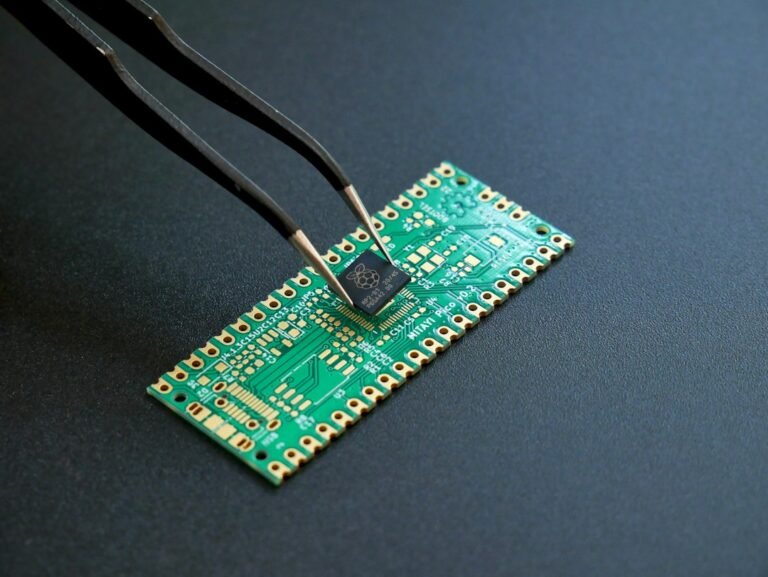
Learn how to read a QTC pressure sensor with an Arduino voltage divider, calculate sensor voltage, calibrate force readings and avoid common mistakes.

Five classroom-ready epistemic vigilance examples for evaluating AI claims, sources and your own understanding. Includes a student worksheet, answers and a 15-minute lesson.

Practise the King Henry metric-prefix ladder with 20 free conversion exercises, step-by-step answers and a print-friendly worksheet.

Compare Project Gondola Wish and Grill Flame using declassified U.S. Army and CIA records, with a timeline and important limits of the evidence.

Compare cognitive drift with the established concept of mind wandering, including examples, research, distractions and when drifting can help creativity.

Measure your reading speed and comprehension with a short sample passage, five questions, scoring guide and a practical progress tracker.

Compare dependent and autonomous cognitive offloading with AI, examples for students and a careful explanation of new 2026 research.

Troubleshoot PAO memory mistakes, including similar images, reversed person-action-object order, overloaded memory palaces and weak recall.
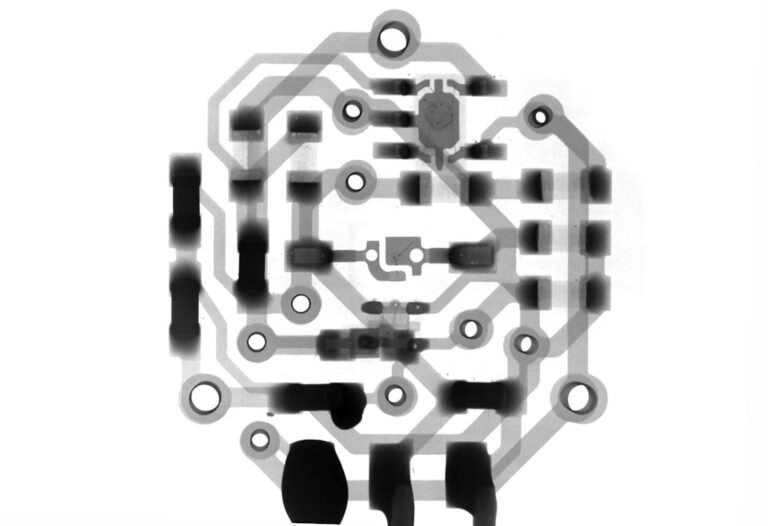
Compare QTC pills and sheets, including contact area, mounting, repeatability and how to choose a pressure-sensitive composite for a project.

Learn how to verify AI-generated citations with DOIs, Crossref, library databases and original papers. Includes a simple source-checking worksheet.